.png)


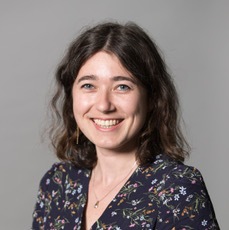
For this episode we sit down with Dr Julius Verrel and Dr Alexander Münchau to delve into their recent publication (Parkinsonism and Related Disorders Journal) on eye blinking abnormalities in Tourette Syndrome. They offer a deep dive into the intricacies of eye blinking patterns, shedding light on the distinctions between normal blinking, blink tics, and potential pathological blinks.
We talk about the historical and recent studies comparing blink rates in individuals with Tourette Syndrome to healthy controls, and the challenges in distinguishing between typical and atypical blinks.
Dr Verrel highlights the study's focus on understanding the characteristics of blink tics, aiming to differentiate them from physiological blinks. Through meticulous analysis, the researchers employed manual and automated methods to observe blink patterns, considering features like duration, amplitude, and temporal distance. This examination aimed to uncover potential markers that signify tics, contributing to a better understanding of Tourette Syndrome.
Regarding the innovative use of high-resolution video recordings to dissect blink features with greater accuracy, Dr Münchau notes that ongoing collaborations with machine learning experts are set to enhance the precision of identifying atypical blinks. This technological advancement promises more refined diagnostic and research techniques, opening paths to potentially utilising blinking abnormalities as biomarkers for Tourette Syndrome.
Alexander Münchau studied medicine in Hamburg and Berlin, Germany. He spent 3 years at the Institute of Neurology, Queen Square in London. From 2001 to 2013 he worked in the Neurology Department of Hamburg University Hospital where he became Consultant in 2003. In 2013, he became head of the newly founded interdisciplinary Department of Paediatric and Adult Movement Disorders and Neuropsychiatry at the Institute of Neurogenetics and speaker of the Center for Rare Diseases at the University of Lübeck; since 2020, he is Director of the Institute of Systems Motor Science at the University of Lübeck. (Contact)
Julius Verrel studied mathematics and cognitive neuroscience and completed a PhD in experimental psychology. He worked for several years at the Max-Planck-Institute for Human Development in Berlin. He has been working as a research scientist at the Institute of Systems Motor Science at the University of Lübeck since 2017. (Contact)
The Frontiers editorial office will be able to provide more information/answer any questions.
Discover the spectacular destination where we shall meet again next summer!
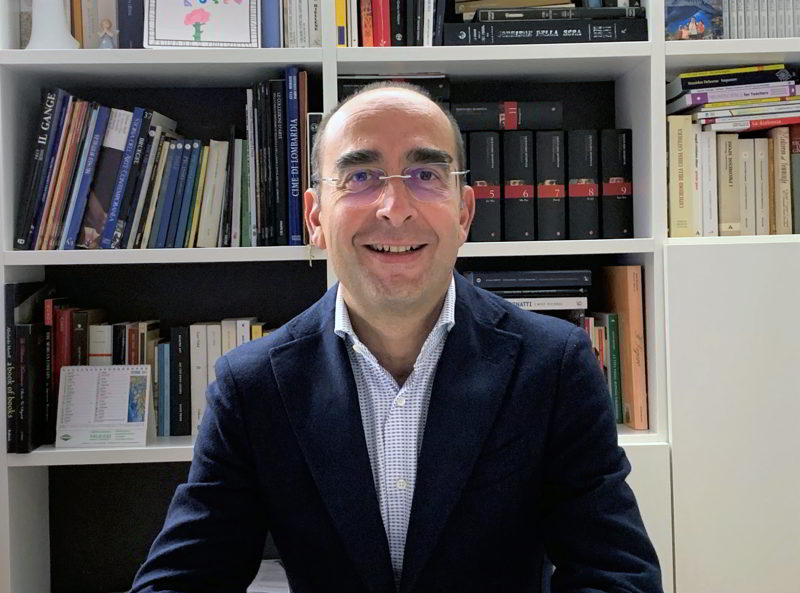
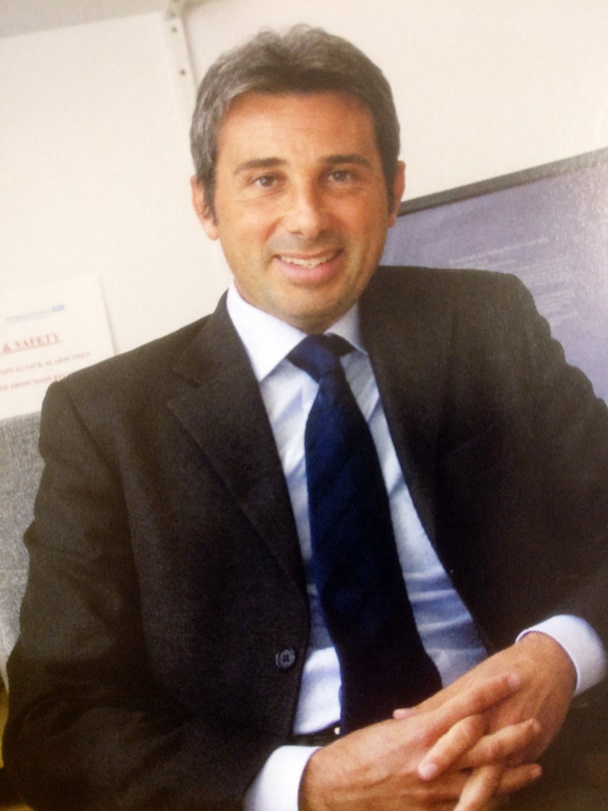



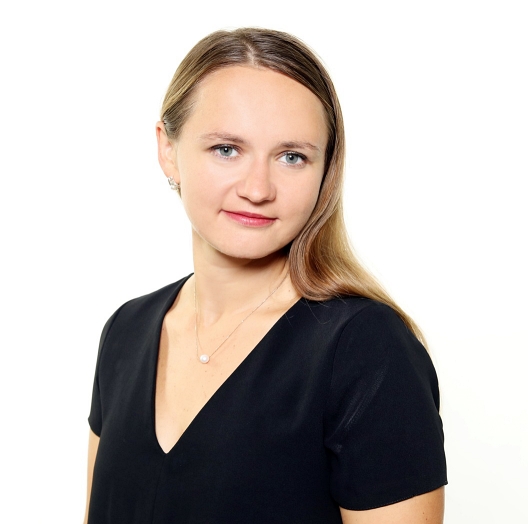
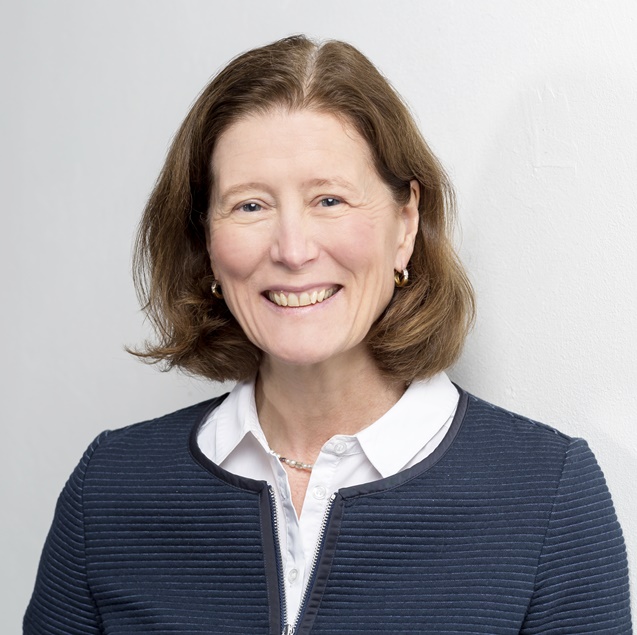
Invited speakers
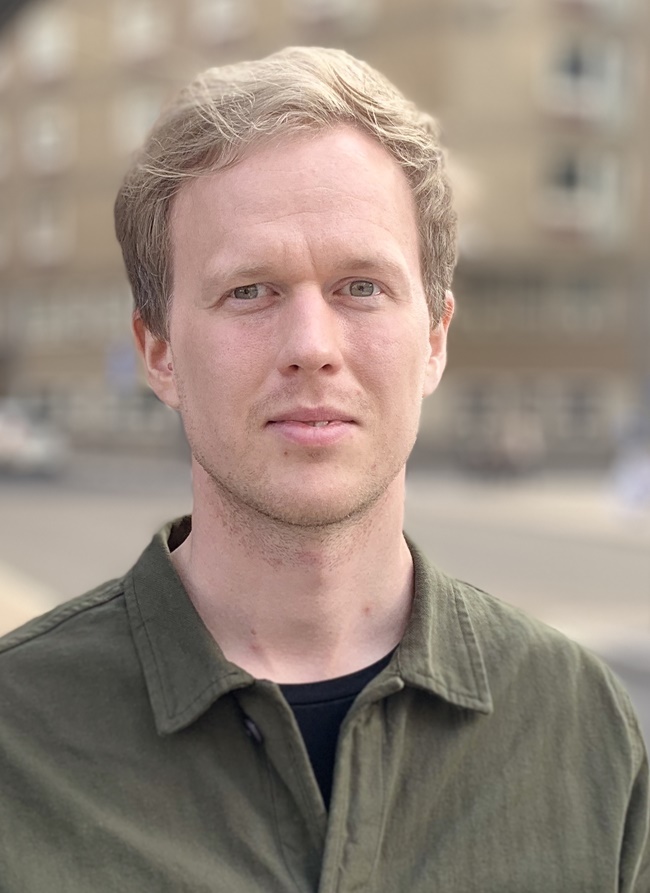
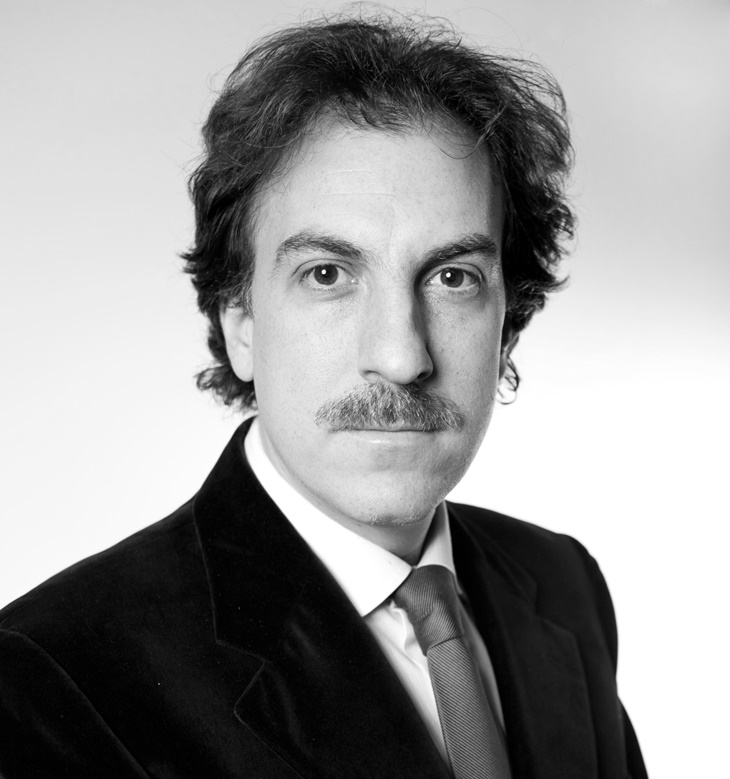
- Le relazioni si terranno in lingua inglese con traduzione simultanea in italiano
- Accreditamento ECM per medici, psicologi, infermieri






"A brilliant and empathetic comedy narrating the daily life of a boy with Tourette."
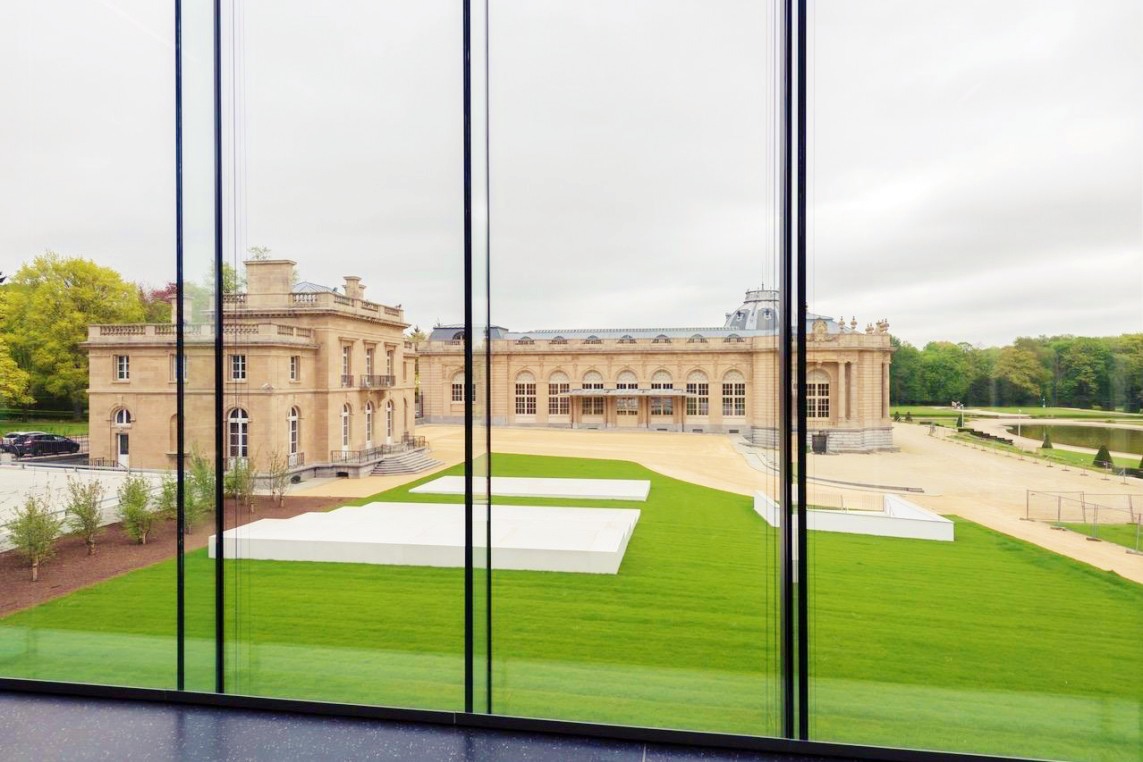
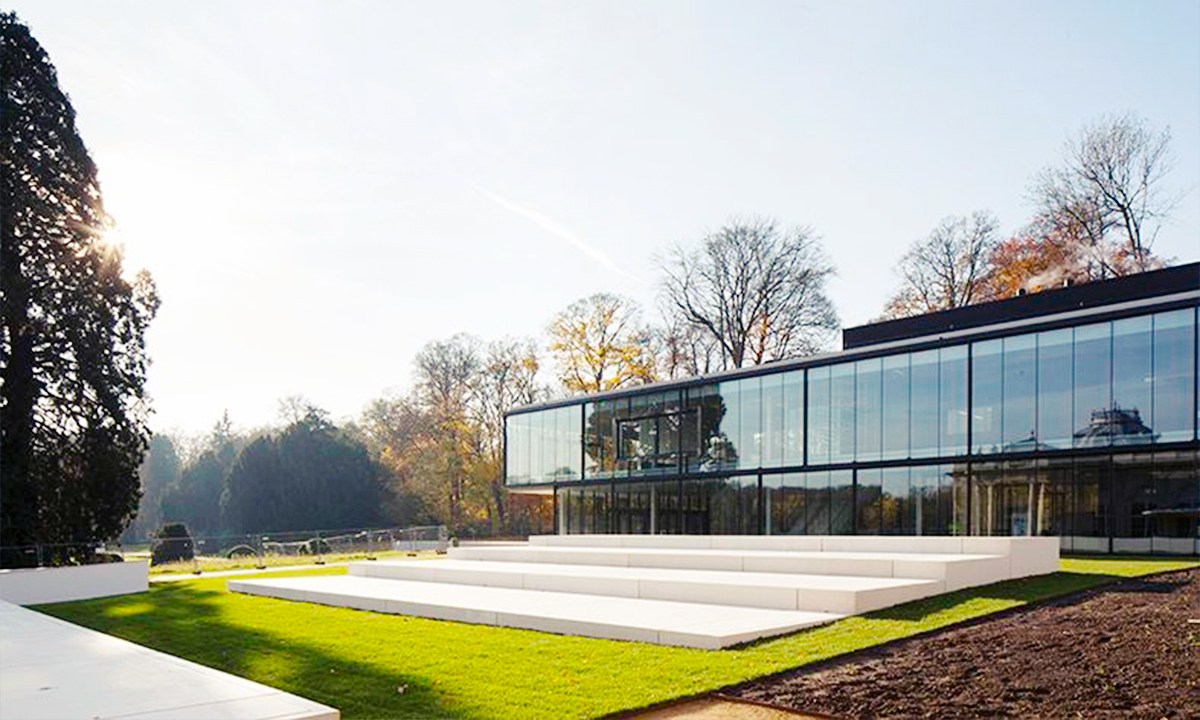


(See detailed programme below)
- Prof Andreas Hartmann, France
Neurologist, Department of Neurology, Hôpital de la Pitié-Salpêtrière, Paris, FR - Dr Christelle Nilles, France
Neurologist, Department of Neurology, Rothschild Foundation Hospital, Paris, FR
- Michele Dunlap, Germany
President & Acting Treasurer - Marla Shea, UK/USA
Secretary
- Christina Papakaliatis, Founder
-Healthcare professionals: a round table for discussion with the speakers will be held in the afternoon.
Online registration is mandatory to secure your participation.
- This event is strictly available to adults and minors aged 16-17 years old. Underaged attendees will not be permitted access.
- The seminar is offered for educational purposes; clinical consultations with any of the invited healthcare professionals will not be provided onsite.
- Only registered participants may attend the event. We will regrettably not be able to admit other non-registered visitors accompanying you.
- Tourette Greece
- TTAG
- ESSTS
- Assessment (including differential diagnosis)
- Natural course and prognosis
- Epidemiology
- Causes & mechanisms
- Q&A
- ADHD (Attention Deficit Hyperactivity Disorder)
- OCD (Obsessive-Compulsive Disorder)
- ASD (Autism Spectrum Disorder)
- Mood (anxiety & depression)
- Sleep
- Q&A
- Available treatments
- Clinical cases
- Comprehensive Q&A with the audience
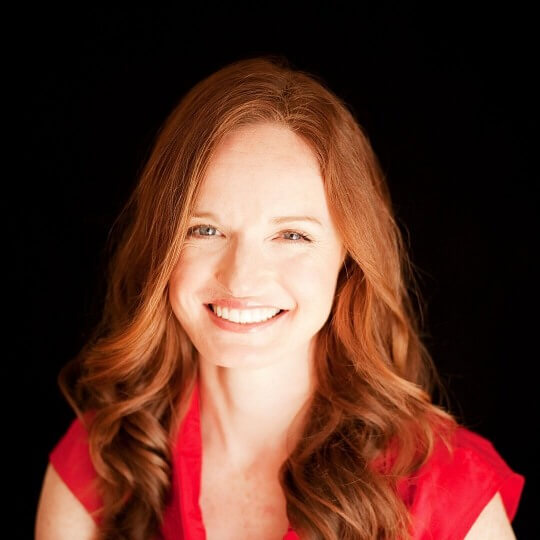
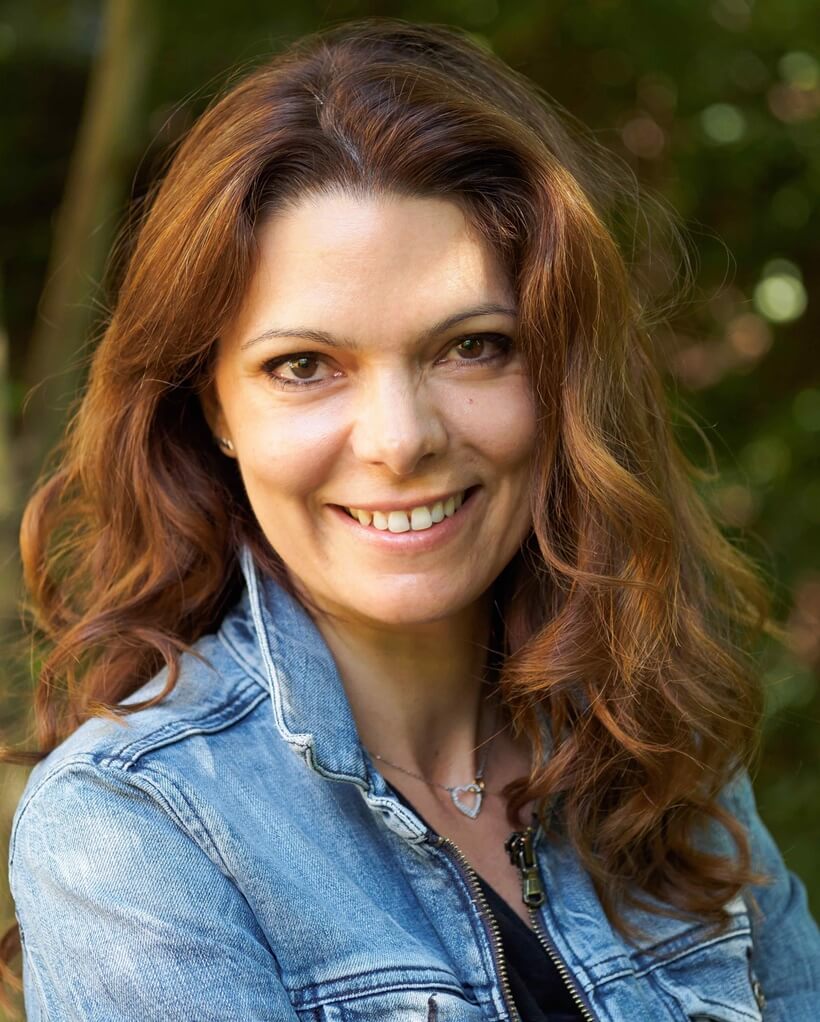

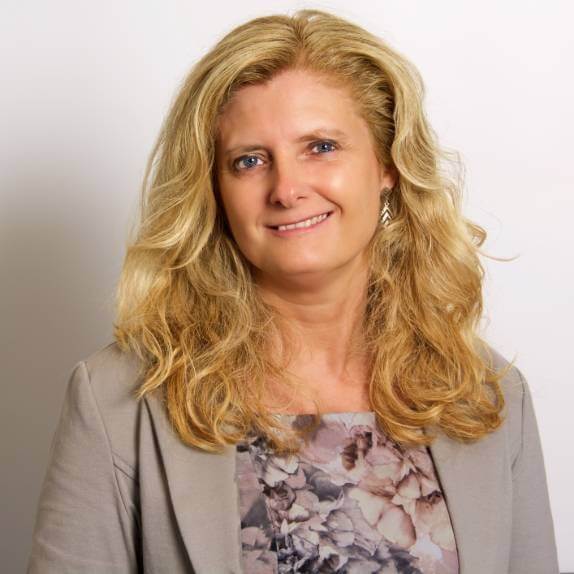
- Tuesday, 27 May 2025: 18:00-20:00 BST. Led by: Virginie Czernecki & Katrin Woitecki
- Tuesday, 30 September 2025: 18:00-20:00 BST. Led by Tara Murphy & Jolande van de Griendt
- Tuesday, 25 November 2025: 18:00-20:00 GMT. Led by: Cara Verdellen & Katrin Woitecki
Registration rate per online consultation (2 hours): €35.
(See detailed programme below)
- Dr Christos Androutsos
Child and Adolescent Psychiatrist
Head Consultant at the Child and Adolescent Psychiatry Department, SGHA - Dr Anastasia Dougali
Child and Adolescent Psychiatrist
Child and Adolescent Psychiatry Department, SGHA
- Dr Marinos Kyriakopoulos
Child and Adolescent Psychiatrist
Assistant Professor in Child and Adolescent Psychiatry
- Athanasia Makri
Psychologist
MSc in Clinical Psychology
Online registration is mandatory to secure your participation.
- This event is strictly available to adults and minors aged 16-17 years old. Underaged attendees will not be permitted access.
- The seminar is offered for educational purposes; clinical consultations with any of the invited healthcare professionals will not be provided on site.
- Only registered participants may attend the event. We will regrettably not be able to admit other non-registered visitors accompanying you.
- Behavioural approaches being adapted for acceptance – developmental factors
- Working with school, work & family
- Using Schema Therapy techniques to deal with negative childhood experiences that need addressing
- Parents Living Well with Tics; engaging the system to enhance acceptance and well being
Case discussion led by Noa Ben-Aroya, Dana Feldman and John Piacentini