.png)


For this webinar we welcome Dr Daniel P. Jones (Durham University) who writes from within the medical humanities — a field that brings disability studies, cultural history, and creative practice into dialogue with clinical science —.
Daniel traces performance's long and troubled relationship with disability, from nineteenth-century freak shows through twentieth-century symbolic tropes to the contemporary work of artists such as Jess Thom, Claire Cunningham, and Matt Fraser. He then turns to his own practice-based research, including KLAZO and "Tourette Syndrome is a Palimpsest", to argue that performance art can function as a methodology in its own right: one capable of reframing tourettic bodies as inherently rhythmic and human.
The central takeaway is that the language and assumptions we bring to Tourette Syndrome are never neutral. Framings of TS as chaotic or arhythmic already shape clinical decision-making and the ethics of emerging treatment technologies, and humanities-based, creative methods offer a route toward more inclusive and humanising research, clinical practice, and service provision. By situating the conversation firmly within the medical humanities, Daniel invited clinicians, researchers, and practitioners alike to consider what performance and creative inquiry can reveal that clinical methods alone cannot.
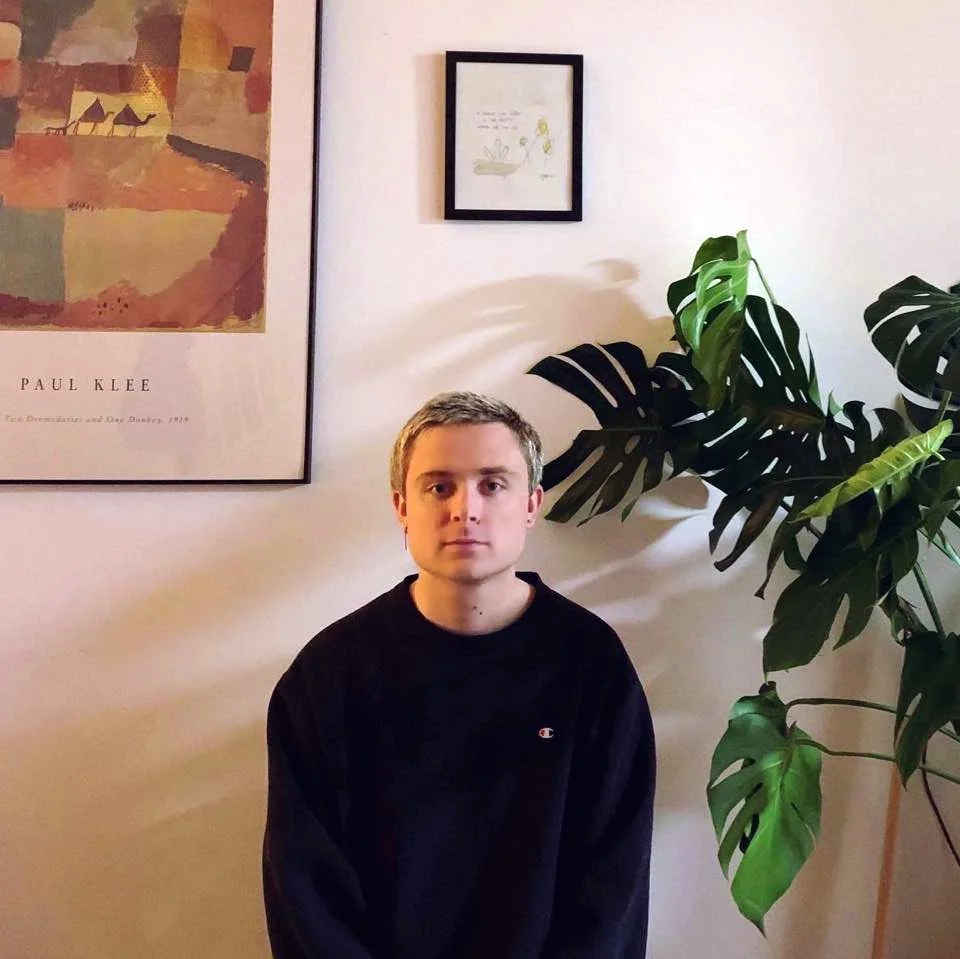
Daniel P. Jones, PhD is a disability scholar and creative practitioner working on researching the embodied experiences of Tourette Syndrome. With publications in journals as diverse as GeoHumanities, Developmental Medicine & Child Neurology, and Neurodiversity, his current research questions what using performing arts in Tourette Syndrome research might be able to teach us.
- “KLAZO" (Resolution Festival, 2022)
Daniel's YouTube Channel: @DanPhilipJones
Selected Publications:
- (2026) Centring Tourettic Experiences in Technology: Tourette Syndrome, Median Nerve Stimulation, and the Role of Technoableism in Self-Harm and Stigma. Neurodiversity. (URL)
- (2025) 'Tourette Syndrome is a Palimpsest: Initial Concept Video'. Dance City, Newcastle upon Tyne. (URL)
- (2025) ‘For the Love of God just refer me’ - A Coproduced qualitative project into the struggles of accessing healthcare services for those living with Tourette Syndrome in the UK. British Medical Journal Open. (URL)
- (2025) Tourettic research of Tourette Syndrome: some reflections. Neurodiversity. (URL)
Webinar References:
- Averns, D.,Jakubec, S. L., Thomas, R., & Link, A. (2012). Working with uniqueness: optimizing vocational strengths for people with tourette syndrome andco-morbidities. Procedia-Social and Behavioral Sciences, 47,1426-1435.
- Beljaars, D.(2022). Compulsive body spaces. Routledge.
- Biscuiti, M.(2018). Art therapy and Tourette syndrome: Utilizing guided imagery and chakra exploration. In Art and expressive therapies within the medical model(pp. 99-108). Routledge.
- Choi, H.,Moon, J., Lee, D. Y., & Hahm, S. C. (2023). Art as relaxation for : a pilot randomised control study. Arts & health, 15(1),18-32.
- Colautti, L.,Magenes, S., Rago, S., Zanaboni Dina, C., Cancer, A., & Antonietti, A.(2021). Creative thinking in Tourette's syndrome: an uncharted topic. Frontiers in Psychology, 12, 649814.
- Colautti, L.,Magenes, S., Rago, S., Camerin, S., Zanaboni Dina, C., Antonietti, A., & Cancer, A. (2023). Creative thinking in Tourette’s syndrome: A comparative study of patients and healthy controls. Journal of Clinical and Experimental Neuropsychology, 45(5), 482-497.
- Felner, M.(2019). Beckett Meets Tourette. PAJ: A Journal of Performance and Art, 41(1(121), 8-21.
- Hendry, E. T., Balfe, J. G., Du, P., & Cakmak, Y. O.(2025). Frequency-specific effects of non invasive median nerve stimulation on gastric slow wave activity in humans. Neuromodulation: Technology at the Neural Interface, 28(5), 775-786.
- Johnson, M.(2020). Sounding a Crip Aesthetic: Transforming the Sonic in Samuel Beckett’sNot I. Performance Matters, 6(2), 67-84
- Jones, D. P. (2026). Centring Tourettic Experiences in Technology: Tourette Syndrome,Median Nerve Stimulation, and the Role of Technoableism in Self-Harm and Stigma. Neurodiversity, 4, 27546330261423083.
- Jones, D. P., & Phoenix-Kane, D. (2025). Tourettic research of Tourette syndrome:Some reflections. Neurodiversity, 3, 27546330251328489.
- Lepecki, A. (2006). Exhausting dance: Performance and the politics of movement. Routledge.
- Marquez,B. M., Smith, C., Dyke, K., Chou, C. P., Kasbia, B., McCready, C., Wright, H.,Jackson, J. K., Farr, I., Badinger, E., Jackson, G. M. & Jackson, S. R.(2023). A double‐blind, sham‐controlled, trial of home‐administered rhythmic10‐Hz median nerve stimulation for the reduction of tics, and suppression of the urge‐to‐tic, in individuals with Tourette syndrome and chronic tic disorder. Journal of neuropsychology, 17(3), 540-563.
- Manning, E.(2009). Relationscapes: Movement, art, philosophy. MIT Press.
- McCormack, D.P. (2002). A paper with an interest in rhythm. Geoforum, 33(4),469-485.
- McCormack, D.P. (2014). Refrains for moving bodies: Experience and experiment in affective spaces. Duke University Press.
- Sacks, O.(1992). Tourette's syndrome and creativity. BMJ: British Medical Journal,305 (6868), 1515.
- Szejko, N., Janik, P., & Pasierski, T. (2019). Gilles de la Tourette syndrome: a common disease among uncommonly talented individuals? Psychiatriai Psychol. Kliniczna, 19, 77-84
- Zanaboni Dina,C., Porta, M., Saleh, C., & Servello, D. (2017). Creativity assessment in subjects with Tourette syndrome vs. patients with Parkinson’s disease: A preliminary study. Brain Sciences, 7(7), 80
Contact Daniel P. Jones
The Frontiers editorial office will be able to provide more information/answer any questions.


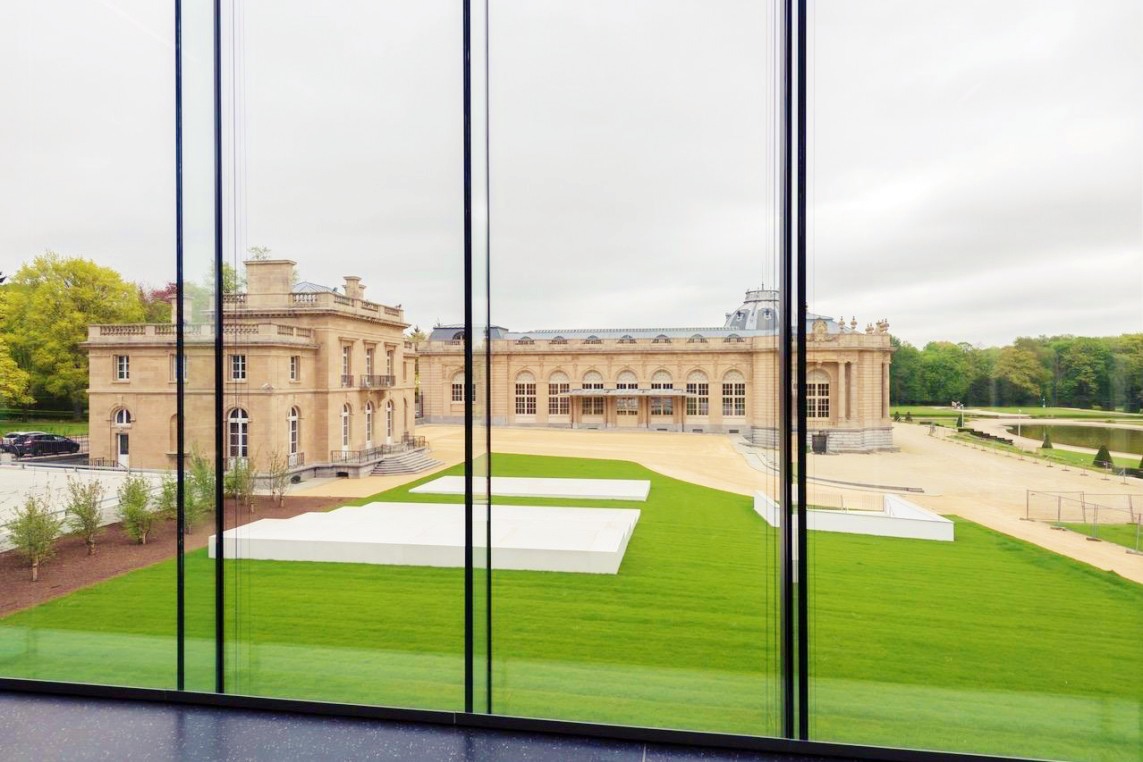
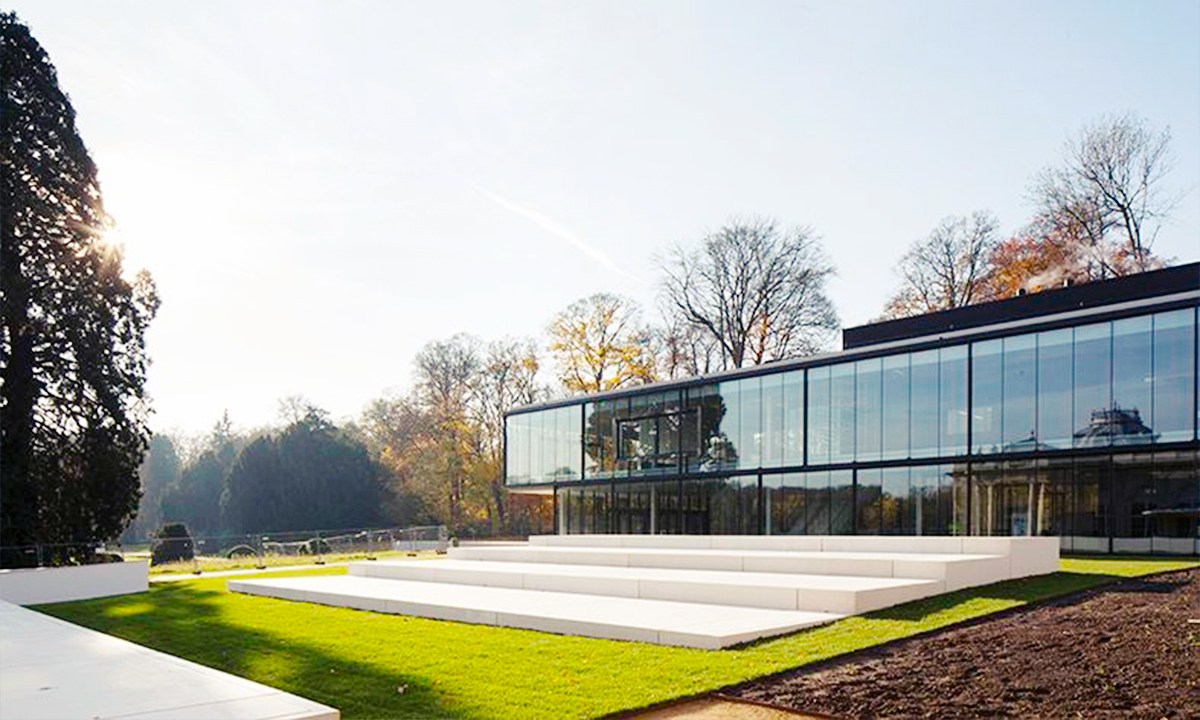
Discover the spectacular destination where we shall meet again next summer!
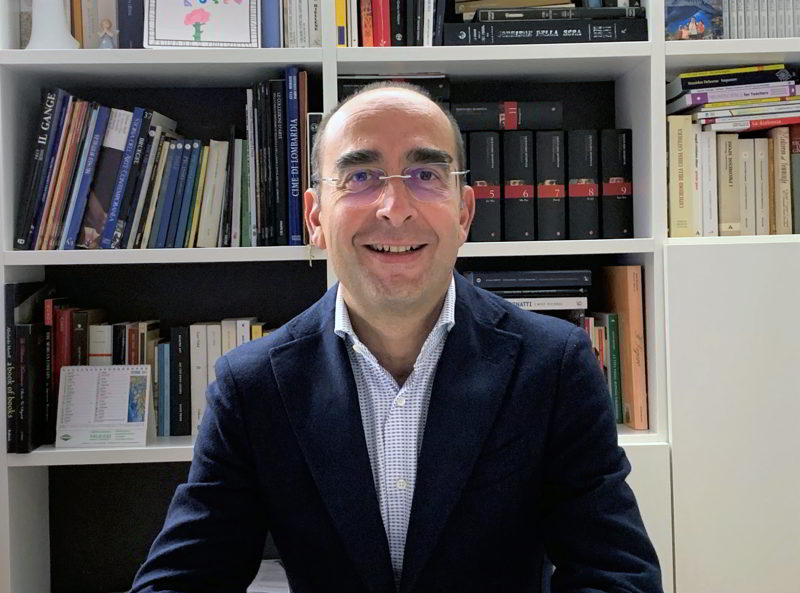
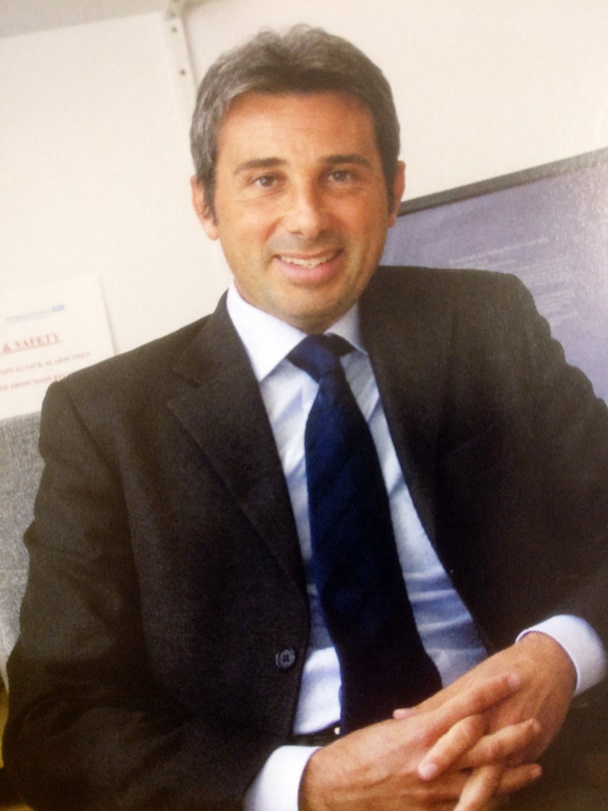



Invited speakers

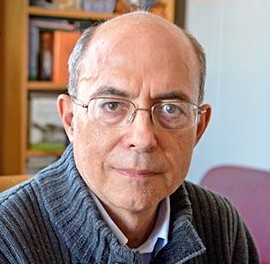
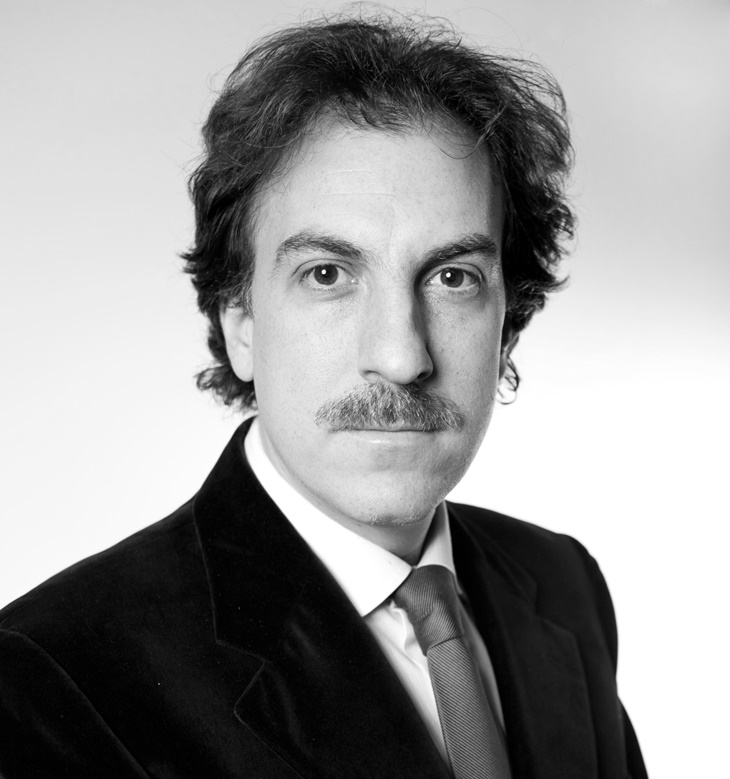
- Le relazioni si terranno in lingua inglese con traduzione simultanea in italiano
- Accreditamento ECM per medici, psicologi, infermieri







"A brilliant and empathetic comedy narrating the daily life of a boy with Tourette."


(See detailed programme below)
- Prof Andreas Hartmann, France
Neurologist, Department of Neurology, Hôpital de la Pitié-Salpêtrière, Paris, FR - Dr Christelle Nilles, France
Neurologist, Department of Neurology, Rothschild Foundation Hospital, Paris, FR
- Michele Dunlap, Germany
President & Acting Treasurer - Marla Shea, UK/USA
Secretary
- Christina Papakaliatis, Founder
-Healthcare professionals: a round table for discussion with the speakers will be held in the afternoon.
Online registration is mandatory to secure your participation.
- This event is strictly available to adults and minors aged 16-17 years old. Underaged attendees will not be permitted access.
- The seminar is offered for educational purposes; clinical consultations with any of the invited healthcare professionals will not be provided onsite.
- Only registered participants may attend the event. We will regrettably not be able to admit other non-registered visitors accompanying you.
- Tourette Greece
- TTAG
- ESSTS
- Assessment (including differential diagnosis)
- Natural course and prognosis
- Epidemiology
- Causes & mechanisms
- Q&A
- ADHD (Attention Deficit Hyperactivity Disorder)
- OCD (Obsessive-Compulsive Disorder)
- ASD (Autism Spectrum Disorder)
- Mood (anxiety & depression)
- Sleep
- Q&A
- Available treatments
- Clinical cases
- Comprehensive Q&A with the audience


- Tuesday, 27 May 2025: 18:00-20:00 BST. Led by: Virginie Czernecki & Katrin Woitecki
- Tuesday, 30 September 2025: 18:00-20:00 BST. Led by Tara Murphy & Jolande van de Griendt
- Tuesday, 25 November 2025: 18:00-20:00 GMT. Led by: Cara Verdellen & Katrin Woitecki
Registration rate per online consultation (2 hours): €35.
(See detailed programme below)
- Dr Christos Androutsos
Child and Adolescent Psychiatrist
Head Consultant at the Child and Adolescent Psychiatry Department, SGHA - Dr Anastasia Dougali
Child and Adolescent Psychiatrist
Child and Adolescent Psychiatry Department, SGHA
- Dr Marinos Kyriakopoulos
Child and Adolescent Psychiatrist
Assistant Professor in Child and Adolescent Psychiatry
- Athanasia Makri
Psychologist
MSc in Clinical Psychology
Online registration is mandatory to secure your participation.
- This event is strictly available to adults and minors aged 16-17 years old. Underaged attendees will not be permitted access.
- The seminar is offered for educational purposes; clinical consultations with any of the invited healthcare professionals will not be provided on site.
- Only registered participants may attend the event. We will regrettably not be able to admit other non-registered visitors accompanying you.
- Behavioural approaches being adapted for acceptance – developmental factors
- Working with school, work & family
- Using Schema Therapy techniques to deal with negative childhood experiences that need addressing
- Parents Living Well with Tics; engaging the system to enhance acceptance and well being
Case discussion led by Noa Ben-Aroya, Dana Feldman and John Piacentini