.png)



The webinar by Prof Carol Mathews addresses the relationship between Tourette syndrome and autism spectrum disorder (ASD), focusing on their clinical overlap, shared neurodevelopmental features, and diagnostic challenges.
The presentation reviews current evidence on the prevalence of autistic traits in individuals with Tourette syndrome and discusses common comorbidities, including ADHD, OCD, and anxiety disorders.
Particular attention is given to the differentiation between tics, stereotypies, and other repetitive behaviours. The webinar also highlights emerging research on genetic and neurobiological mechanisms underlying both conditions and discusses implications for clinical assessment and multidisciplinary management.
Dr Mathews is the Donald R. Dizney Chair in Psychiatry, Professor, Director of the Center for OCD, Anxiety and Related Disorders (COARD), and the Interim Director for the UF Health Center for Neurodevelopment for the Department (CAN) of Psychiatry at the University of Florida.
As the Director for COARD her research and clinical interests center around identifying the causes and neural underpinnings of obsessive compulsive and anxiety spectrum disorders, including OCD, hoarding disorder, tic disorders, and grooming disorders. She is actively engaged in studying the genetic causes of Tourette Syndrome (TS) and OC spectrum disorders, as well as examining how individuals with these disorders process information using standard neuropsychological assessments, electrophysiological methods such as EEG, and neuroimaging. She is also the principal investigator of a large study comparing community-based behavioral treatment for hoarding disorder to the current standard of care, group treatment by psychologists. She hopes that ultimately, this information will help to refine diagnosis, prevention, and intervention for these disorders. She serves on several advisory boards for non-profit organisations, including the Tourette Association of America, the International OCD Foundation, and the MHASF Task Force on Hoarding and Cluttering. She is also the chair of the TS/OCD Workgroup of the Psychiatric Genomics Consortium (PGC).
Contact Dr Carol Mathews
Key references:
- Darrow SM, Grados M, Sandor P, Hirschtritt ME, Illmann C, Osiecki L, Dion Y, King R, Pauls D, Budman CL, Cath DC, Greenberg E, Lyon GJ, McMahon WM, Lee PC, Delucchi KL, Scharf JM, Mathews CA. Autism Spectrum Symptoms in a Tourette's Disorder Sample. J Am Acad Child Adolesc Psychiatry. 2017 Jul;56(7):610-617.e1. doi Epub 2017 May 11. PMID: 28647013; PMCID: PMC5648014.
- Huisman-van Dijk HM, Schoot Rv, Rijkeboer MM, Mathews CA, Cath DC. The relationship between tics, OC, ADHD and autism symptoms: A cross- disorder symptom analysis in Gilles de la Tourette syndrome patients and family-members. Psychiatry Res. 2016 Mar 30;237:138-46. doi Epub 2016 Jan 22. PMID: 26826899; PMCID: PMC5137472.
- Prato A, Saia F, Ferrigno M, Finocchiaro V, Barone R, Rizzo R. Sensory phenomena in children with Tourette syndrome or autism spectrum disorder. Front Psychiatry. 2024 Apr 2;15:1338234. doi PMID: 38628261; PMCID: PMC11018939.
The Frontiers editorial office will be able to provide more information/answer any questions.

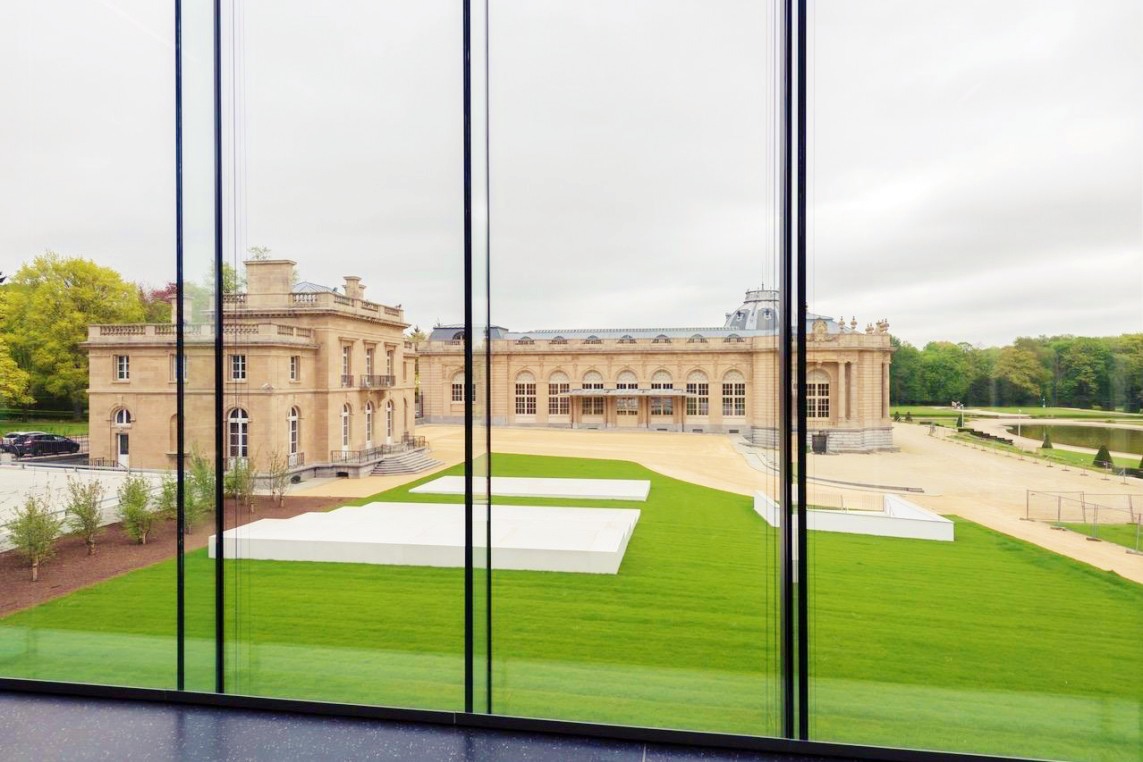
Discover the spectacular destination where we shall meet again next summer!
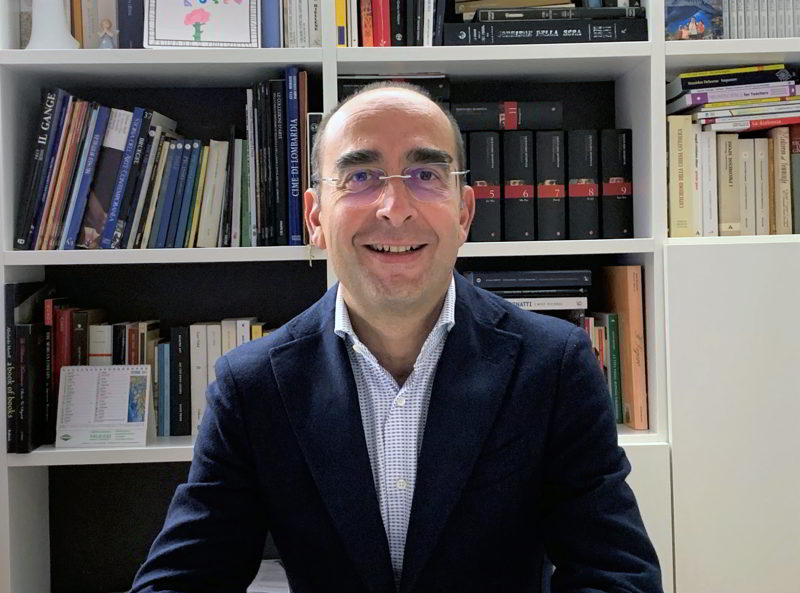
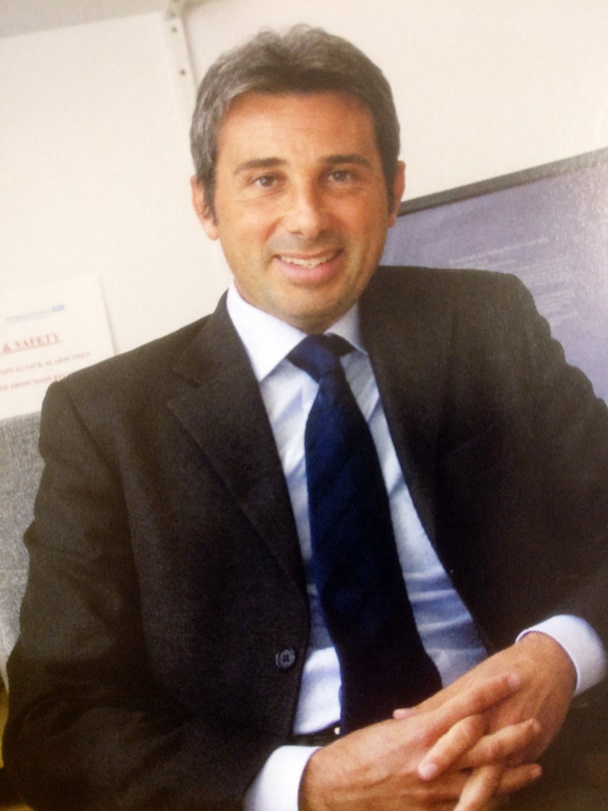



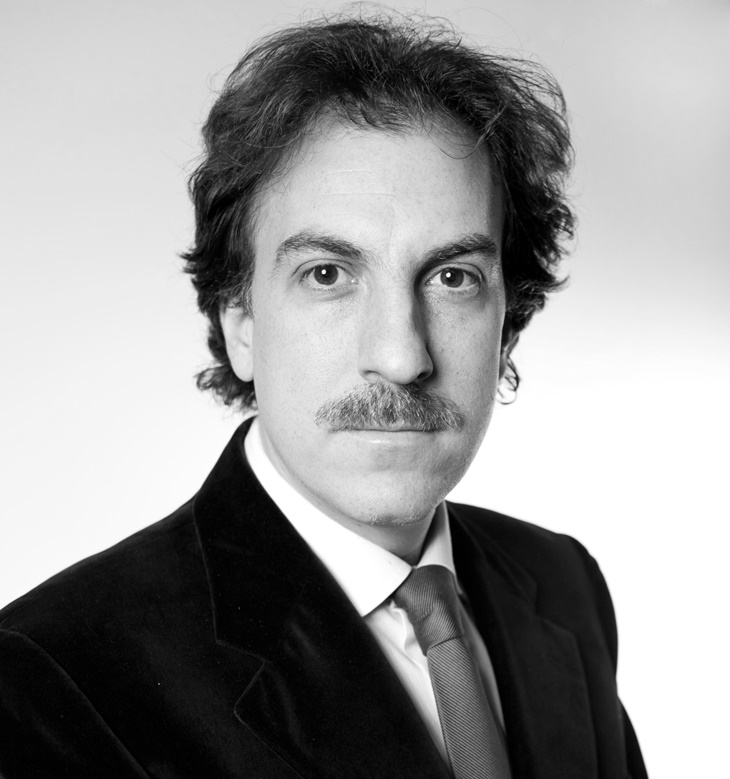
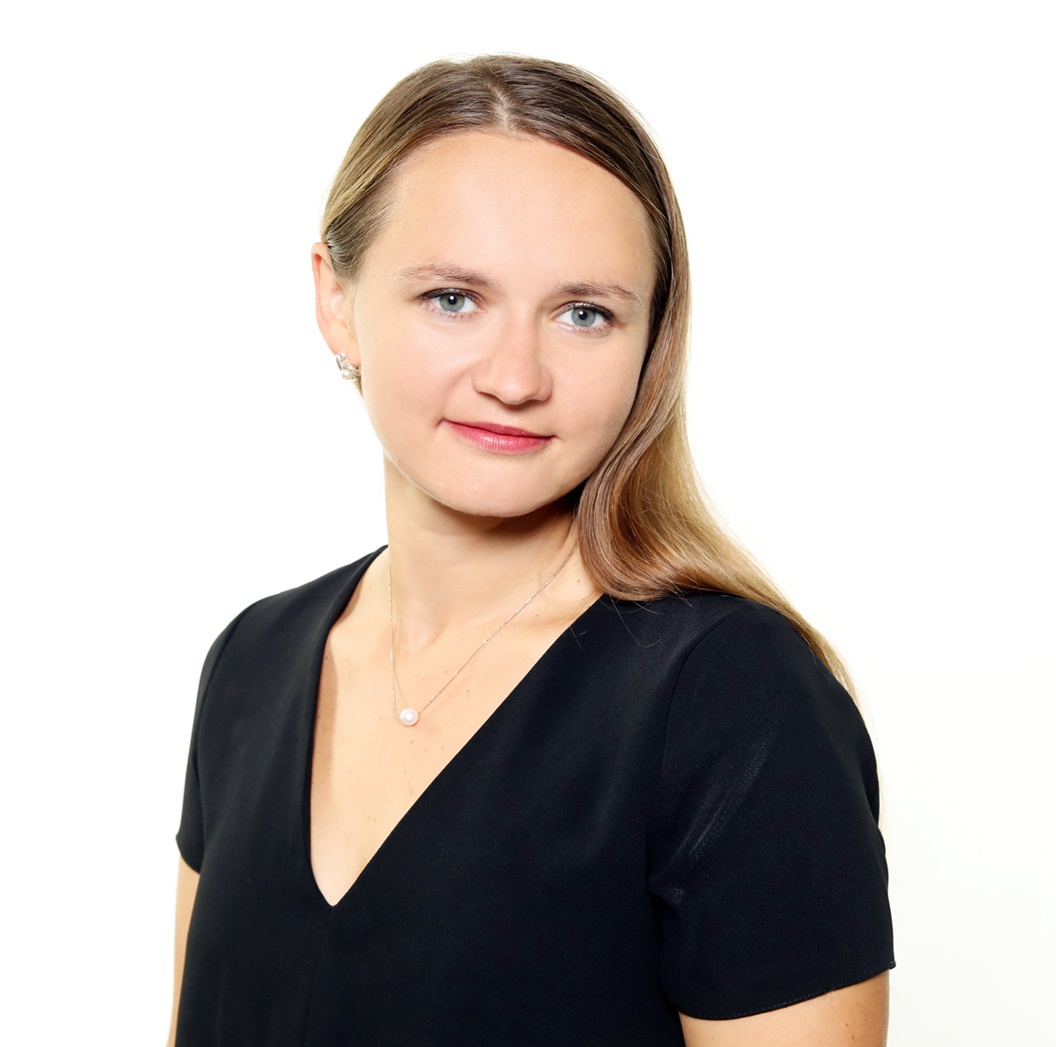
Invited speakers
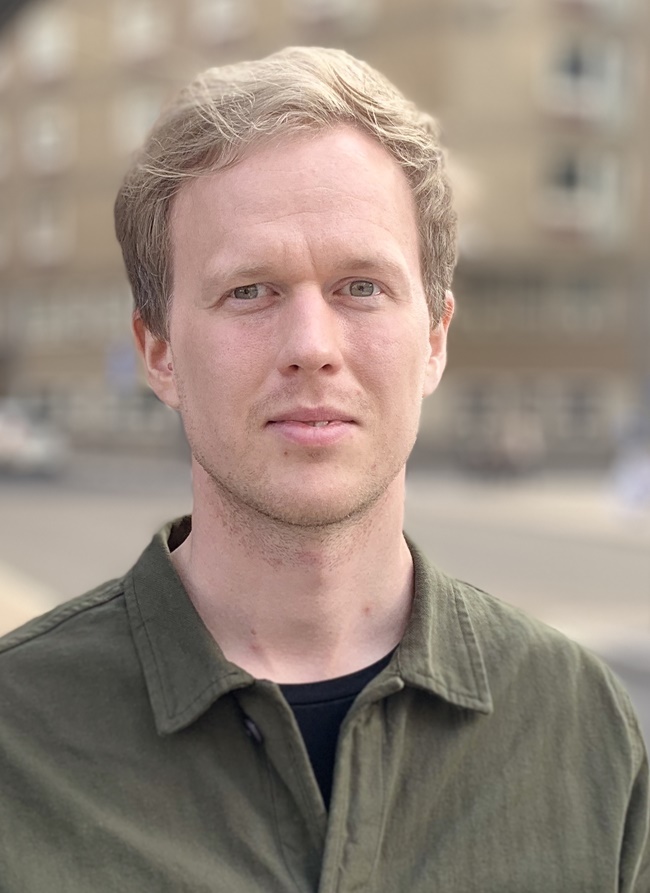

- Le relazioni si terranno in lingua inglese con traduzione simultanea in italiano
- Accreditamento ECM per medici, psicologi, infermieri







"A brilliant and empathetic comedy narrating the daily life of a boy with Tourette."



(See detailed programme below)
- Prof Andreas Hartmann, France
Neurologist, Department of Neurology, Hôpital de la Pitié-Salpêtrière, Paris, FR - Dr Christelle Nilles, France
Neurologist, Department of Neurology, Rothschild Foundation Hospital, Paris, FR
- Michele Dunlap, Germany
President & Acting Treasurer - Marla Shea, UK/USA
Secretary
- Christina Papakaliatis, Founder
-Healthcare professionals: a round table for discussion with the speakers will be held in the afternoon.
Online registration is mandatory to secure your participation.
- This event is strictly available to adults and minors aged 16-17 years old. Underaged attendees will not be permitted access.
- The seminar is offered for educational purposes; clinical consultations with any of the invited healthcare professionals will not be provided onsite.
- Only registered participants may attend the event. We will regrettably not be able to admit other non-registered visitors accompanying you.

- Tourette Greece
- TTAG
- ESSTS
- Assessment (including differential diagnosis)
- Natural course and prognosis
- Epidemiology
- Causes & mechanisms
- Q&A
- ADHD (Attention Deficit Hyperactivity Disorder)
- OCD (Obsessive-Compulsive Disorder)
- ASD (Autism Spectrum Disorder)
- Mood (anxiety & depression)
- Sleep
- Q&A
- Available treatments
- Clinical cases
- Comprehensive Q&A with the audience

- Tuesday, 27 May 2025: 18:00-20:00 BST. Led by: Virginie Czernecki & Katrin Woitecki
- Tuesday, 30 September 2025: 18:00-20:00 BST. Led by Tara Murphy & Jolande van de Griendt
- Tuesday, 25 November 2025: 18:00-20:00 GMT. Led by: Cara Verdellen & Katrin Woitecki
Registration rate per online consultation (2 hours): €35.
(See detailed programme below)
- Dr Christos Androutsos
Child and Adolescent Psychiatrist
Head Consultant at the Child and Adolescent Psychiatry Department, SGHA - Dr Anastasia Dougali
Child and Adolescent Psychiatrist
Child and Adolescent Psychiatry Department, SGHA
- Dr Marinos Kyriakopoulos
Child and Adolescent Psychiatrist
Assistant Professor in Child and Adolescent Psychiatry
- Athanasia Makri
Psychologist
MSc in Clinical Psychology
Online registration is mandatory to secure your participation.
- This event is strictly available to adults and minors aged 16-17 years old. Underaged attendees will not be permitted access.
- The seminar is offered for educational purposes; clinical consultations with any of the invited healthcare professionals will not be provided on site.
- Only registered participants may attend the event. We will regrettably not be able to admit other non-registered visitors accompanying you.
- Behavioural approaches being adapted for acceptance – developmental factors
- Working with school, work & family
- Using Schema Therapy techniques to deal with negative childhood experiences that need addressing
- Parents Living Well with Tics; engaging the system to enhance acceptance and well being
Case discussion led by Noa Ben-Aroya, Dana Feldman and John Piacentini