


The content of this page is being continuously updated!
Next stop...
Malmö, Sweden!
Bookmark: 9-11 June 2027

Speakers & Trainers
(in alphabetical order)
The full roster –including CBT workshop trainers– will be published soon, stay tuned!

Plenary
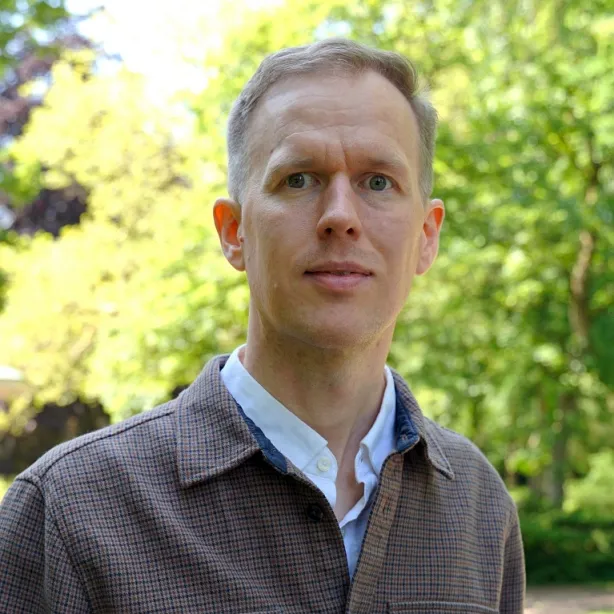
Per Andrén
Behaviour therapy for Tourette syndrome: What’s new and where are we headed?
AFFILIATIONS
Lund University, Lund, Sweden
Unit for Child and Adolescent Psychiatry, Department of Clinical Sciences
Skåne University Hospital, Lund, Sweden
Department of Child and Adolescent Psychiatry

"Best of" summary
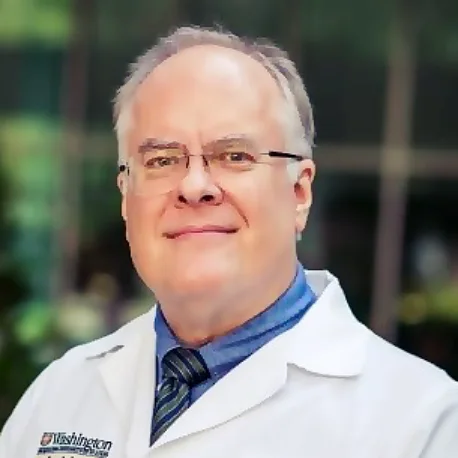
Kevin J. Black
Tourette syndrome research highlights from 2026


Controversy
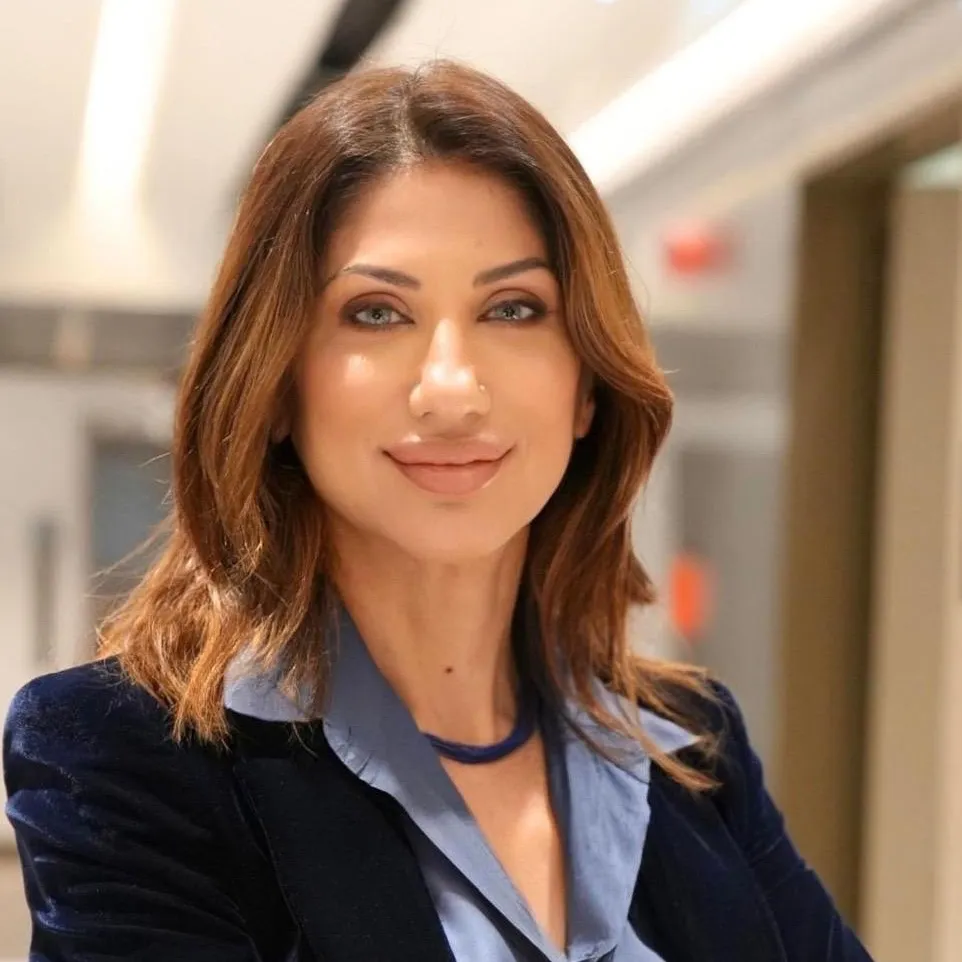
Daniel Alvarez-Fischer
"Is Autism overdiagnosed in TS?"
Arguing for the statement

Plenary
Yildiz Değirmenci
"Tourette syndrome globally: cultural differences matter"

Keynote
Lorena Fernández de la Cruz
"The Swedish National Patient Register and TS: past, present & future"

BT Workshop
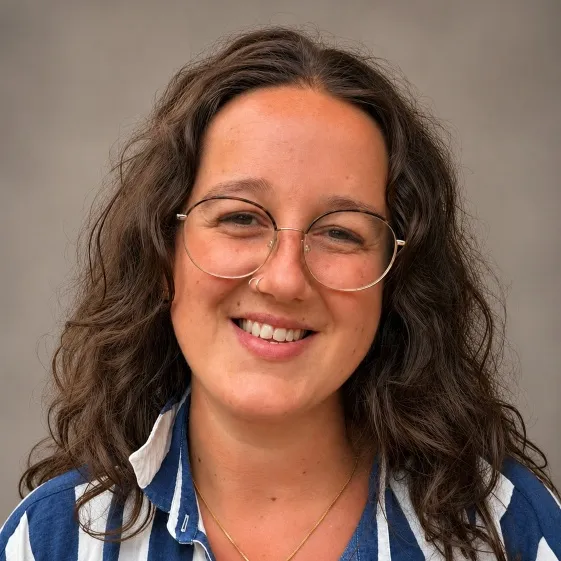
Ione Georgakis
"Beyond the Tics: Practical Sensory Strategies for Regulation, Tic Management and Everyday Participation"
AFFILIATIONS
Tourettes Action, United Kingdom
Livewell Southwest NHS Child and Adolescent Mental Health CAMHS, United Kingdom
Occupational Therapist | Advanced Sensory Integration Practitioner | Therapies & Advocacy Manager (Tourettes Action)
Sheffield Hallam University, United Kingdom
MSc Sensory Integration student
Speaker Biography
Ione Georgakis is a UK-based Specialist Occupational Therapist, Advanced Sensory Integration Practitioner and Therapies & Advocacy Manager at Tourettes Action. She also works within NHS Inpatient Child and Adolescent Mental Health Services (CAMHS) and is currently undertaking an MSc in Sensory Integration at Sheffield Hallam University.
Combining clinical expertise with lived experience of Tourette Syndrome, Ione works to improve understanding, support and quality of life for people with tic disorders across the lifespan. She is trained in Comprehensive Behavioural Intervention for Tics (CBIT) and contributes to professional education, clinical training, advocacy and the development of practical, person-centred interventions.
Her clinical interests include Tourette Syndrome across the lifespan, sensory processing and modulation, interoception, employment, pain management and meaningful occupational participation. Her work promotes strengths-based, neuroaffirmative, multidisciplinary approaches that look beyond tic reduction to support regulation, wellbeing, autonomy and participation in everyday life.

Plenary
Erica Greenberg
Body-focused repetitive behaviours (BFRBs) in TS
–Title TBA–
AFFILIATIONS
Massachusetts General Hospital (MGH), Boston, MA, USA
Director, Pediatric Psychiatry OCD and Tic Disorders Program
Co-Director, Tourette Association of America MGH Center of Excellence
Staff Psychiatrist, Pediatric Psychiatry OCD and Tic Disorders Program
Harvard Medical School (HMS)
Assistant Professor in Psychiatry
Plenary
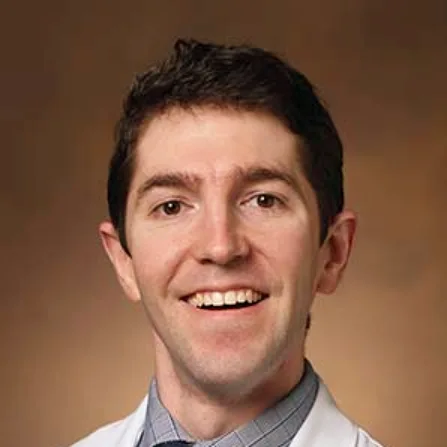
David Isaacs
"Sensory over-responsivity, interoceptive sensibility, and somatosensory gating in TS"
AFFILIATIONS
Vanderbilt Health, Nashville, TN, USA
Co-Director, Vanderbilt Center for Tourette Syndrome and Other Tic Disorders
Associate Professor of Neurology, Division of Movement Disorders
Associate Professor of Pediatrics, Division of Child Neurology, Monroe Carell Jr. Children’s Hospital at Vanderbilt
Keynote
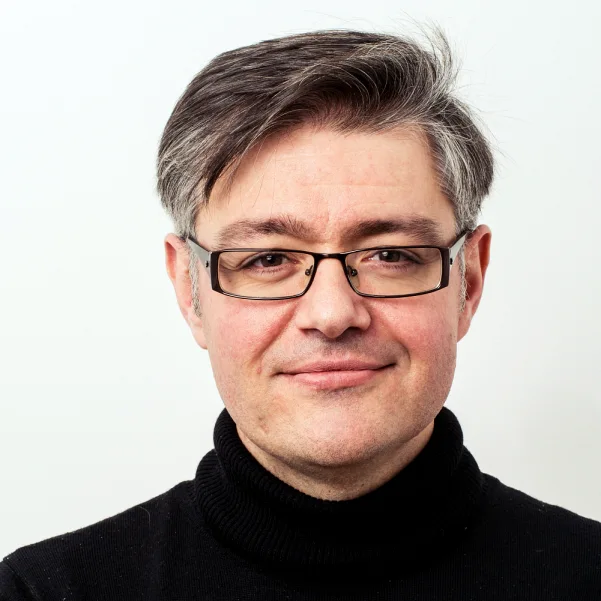
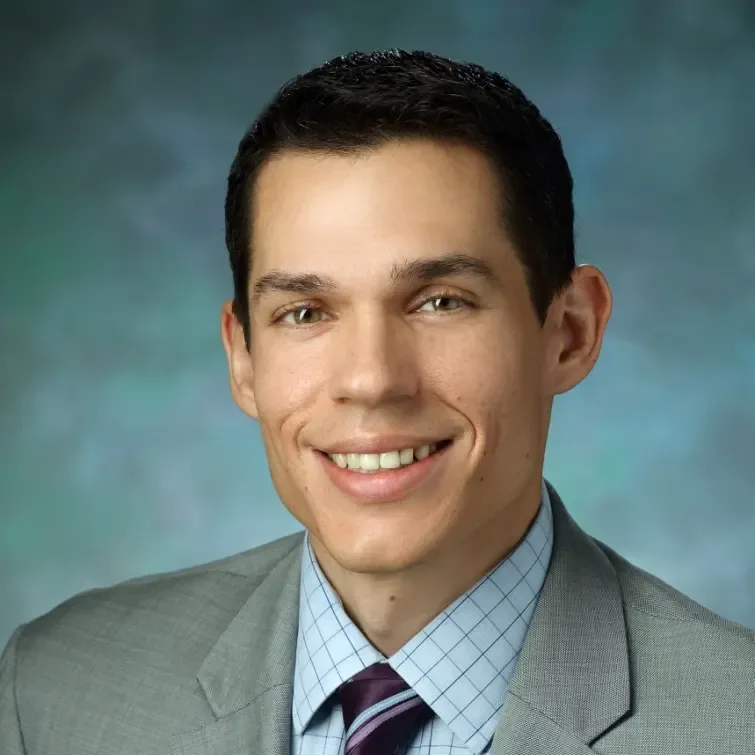
David Mataix-Cols
"The Swedish National Patient Register and TS: past, present & future"
BT Workshop
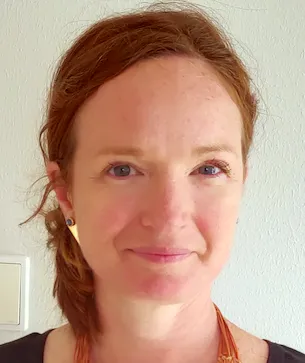
Tara Murphy
(BT Workshop session title: TBA)

BT Workshop
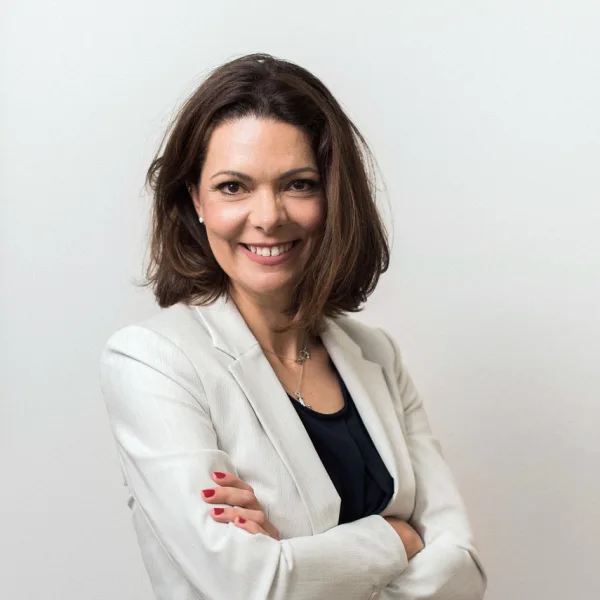
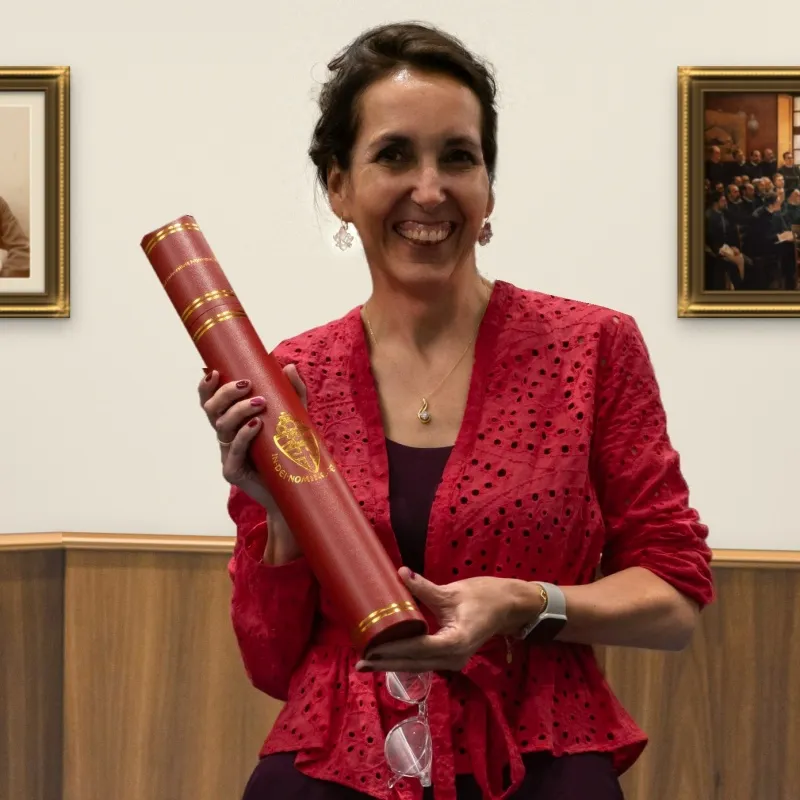
Zsanett Tárnok
(BT Workshop session title: TBA)
Programme
Preliminary version, subject to change
Wednesday, 9 June 2027
(Session times displayed in CEST)
BT Workshop
09:00-17:00
Workshop programme TBA

Virginie Czernecki
Ione Georgakis
Tara Murphy
Zsanett Tarnok

Jolande van de Griendt
Cara Verdellen
Katrin Woitecki
(Additional trainers: TBA)

09:00–17:00
Patient Associations & Advocacy Groups
Parallel session (to BT)
Opening Ceremony
18:00
Welcome address
Host Team & ESSTS Board
18:15-19:00
“Beyond Tic Reduction: What Does Meaningful Improvement in Tourette Syndrome Really Mean?”
Joseph F. McGuire
Keynote
19:00-19:15
Discussion | Q&A
19:15–19:45
• Professor Mary Robertson Award | Oral Presentation
• Mary Robertson Travel Grants
Winners TBA!
Awards
19:45 onwards
Cocktail time, getting together again!

Thursday, 10 June 2027
(Session times displayed in CEST)
07:00
Morning run!
Nanette Mol Debes, Track & Field Officer
Fun2
09:00–09:15
Welcome message
Tics and Tourette Across the Globe (TTAG)
“Comorbidities –not (yet) the talk of the town”
09:15-09:45
Body-focused repetitive behaviours (BFRBs) in TS (Title TBA)
Erica Greenberg
Plenary
09:45–10:15
"Sensory over-responsivity, interoceptive sensibility, and somatosensory gating in TS"
David Isaacs
Plenary
10:15-10:30
Discussion | Q&A
10:30–11:00
General Assembly
11:00–11:30
Coffee break ☕
11:30–12:30
Poster Presentations, Session I
Presenters TBA
Abstracts
12:30–13:30
Lunch break
13:30–15:00
Clinical rounds/Case –video– presentations
Tammy Hedderly
Cases
15:00–15:30
Coffee break ☕
15:30–17:00
Oral Presentations, Session I
Presenters TBA
Abstracts
17:15 onwards
Cultural activity & Social Event

Danish Host Team
Party time
Friday, 11 June 2027
(Session times displayed in CEST)
07:00
Morning run!
Nanette Mol Debes, Track & Field Officer
Fun2
The...SE-Tribute session
09:00-09:30
"Behaviour therapy for Tourette syndrome: What’s new and where are we headed?"
Per Andrén
Plenary
09:30–10:15
"The Swedish National Patient Register and TS: past, present & future"
David Mataix-Cols
Lorena Fernández de la Cruz
Keynote
10:15-10:30
Discussion | Q&A
10:30–11:00
"Tourette syndrome globally: cultural differences matter"
Yıldız Değirmenci
Plenary
11:00–11:30
Coffee break ☕
11:30–12:30
Poster Presentations, Session II
Presenters TBA
Abstracts
12:30–13:30
Lunch break
13:30–14:30
Tourette syndrome research highlights from 2026
Kevin J. Black
"Best of" summary
14:30–15:45
Oral Presentations, Session II
Presenters TBA
Abstracts
15:45–16:15
Coffee break ☕
16:15–16:45
"Is Autism overdiagnosed in TS?"
Daniel Alvarez-Fischer
Arguing for the statement
TBA
Arguing against the statement
Controversy
17:00
Closing ceremony | Awards

Dates to bookmark!
The submission portal and registration forms will open soon.
SUN
14
MAR
Early bird rates
Applies to:
- Conference registration: all categories

SUN
21
MAR
Submissions
Applies to:
- Abstracts
- Professor Mary Robertson Award 2027 entries
- Mary Robertson Travel Grant 2027 applications
⚹This deadline is final. No extension will be granted.⚹
It's a wrap!
THANK YOU to everyone who joined us in the city of dragons, what a fantastic conference! 🙏
Welcome aboard new colleagues and friends, you are now a part of a growing family. 💚

Everything you need to know:
Farewell Ljubljana...
Certificates of attendance & CME credits
How can I receive a certificate of attendance/CME credits (for medical professionals)?
Just say the word! Fill out the form below.
Kindly note: EACCME® CME credits can only be claimed by medical specialists. Their validation/acceptance depends on your country's designated regulatory body.
The Ljubljana 2026 Conference has been granted 16.5 credits (ECMEC®s) by the European Accreditation Council for Continuing MedicalEducation (EACCME®).
Information regarding the conversion of EACCME® credits
Credit will be converted based on one (1) hour of participation equalling one credit for all activities. Physicians wishing to
convert EACCME® credits to AMA PRA Category 1 Credit™ will be required to access the AMA website at to obtain the necessary paperwork and instructions. Physicians and other health care professionals will be required to pay a processing fee to the AMA
convert EACCME® credits to AMA PRA Category 1 Credit™ will be required to access the AMA website at to obtain the necessary paperwork and instructions. Physicians and other health care professionals will be required to pay a processing fee to the AMA
Certificates of attendance are also available for virtual attendees.
⚠️ Participants who will have actively attended 2/3 of the respective virtual event programme are eligible to receive one.
The online system (Demio) automatically records the active attendance time of each participant, no setup is required on your end.
I truly enjoyed the conference! How can I become a member/renew my membership?
This is such an important, vital matter to the Society!
Theatrics aside, we have been running on an empty tank since our last physical meeting in Hannover in 2019. Commitment and time dedicated (a very great deal of it!) have been the fuel that allowed for this conference to take place despite the seriously tight mathematics.
Becoming a member echoes both moral encouragement and recognition, as well as meaningful, concrete support to keep the endeavour alive so that we can meet again next year!
View membership page here.
I would love to get more actively involved in ESSTS' activities; whom should I contact?
Let's talk!
Send us a message at ideas@essts.org, or feel free to contact directly any of our board members.
Send us a message at ideas@essts.org, or feel free to contact directly any of our board members.

VENUE
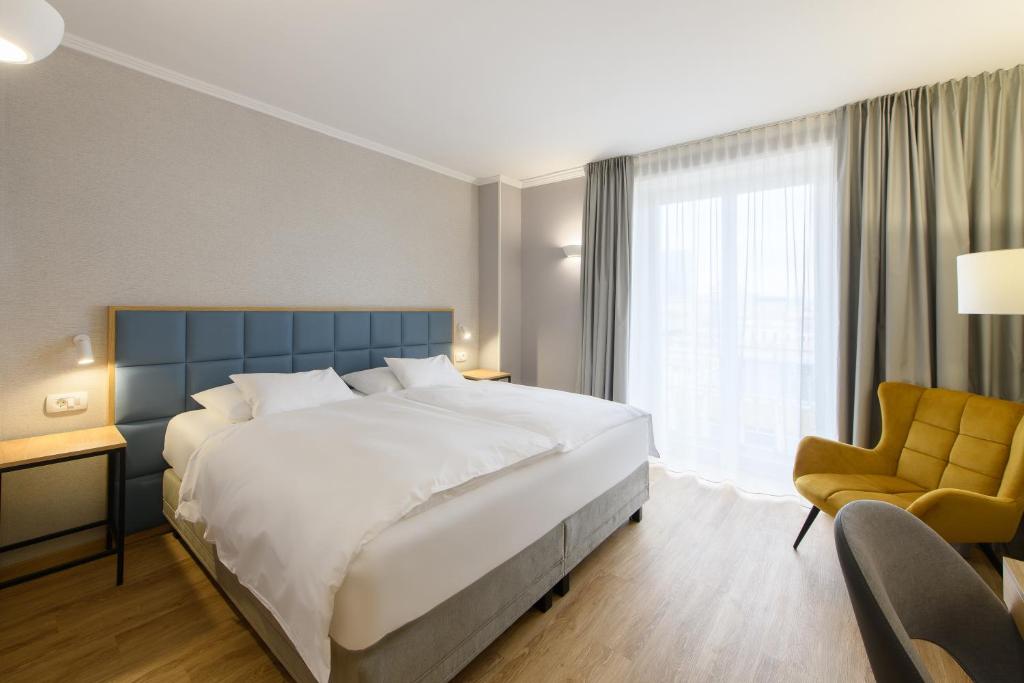
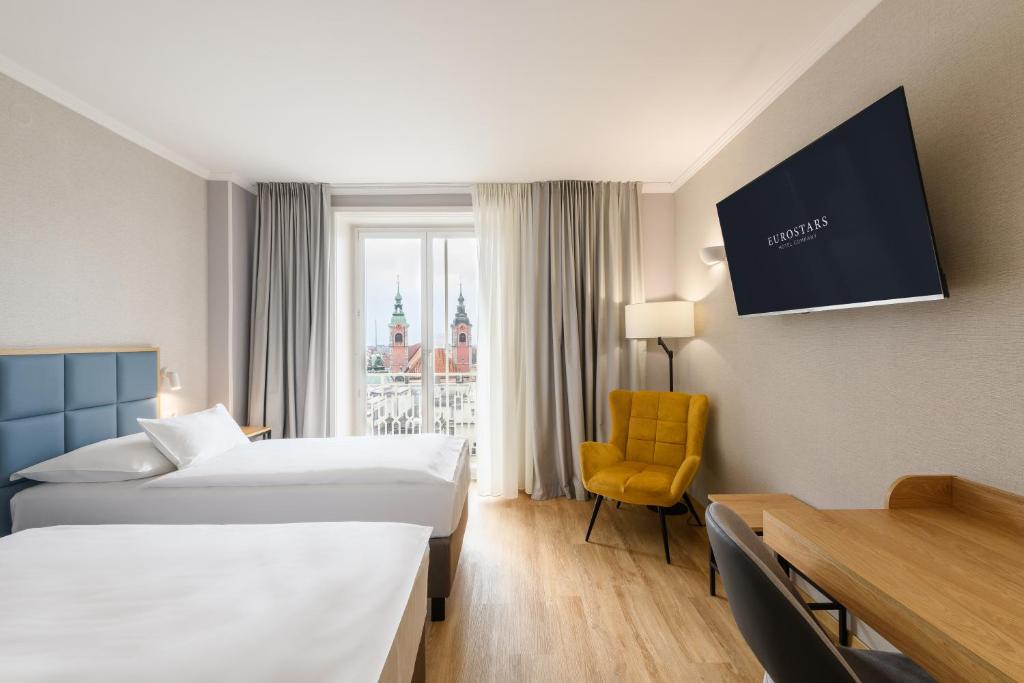
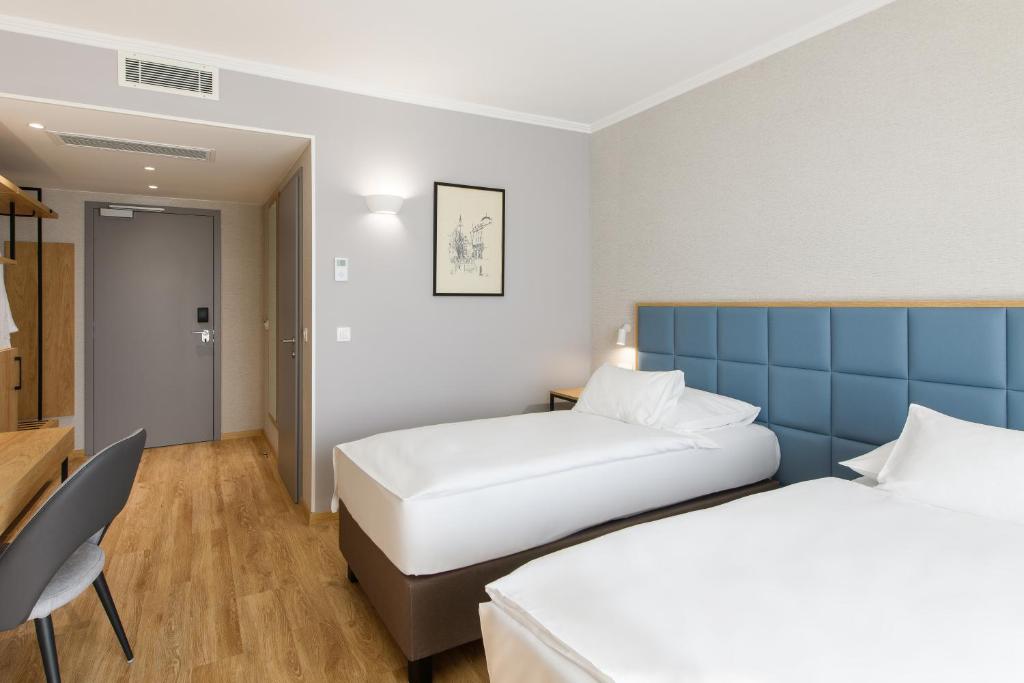
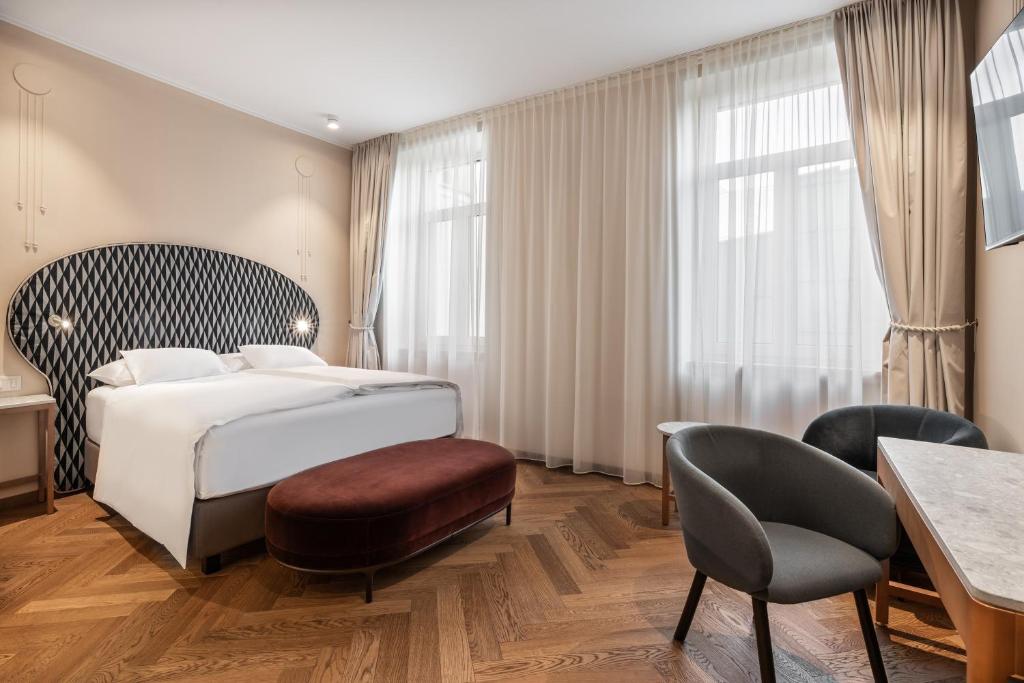
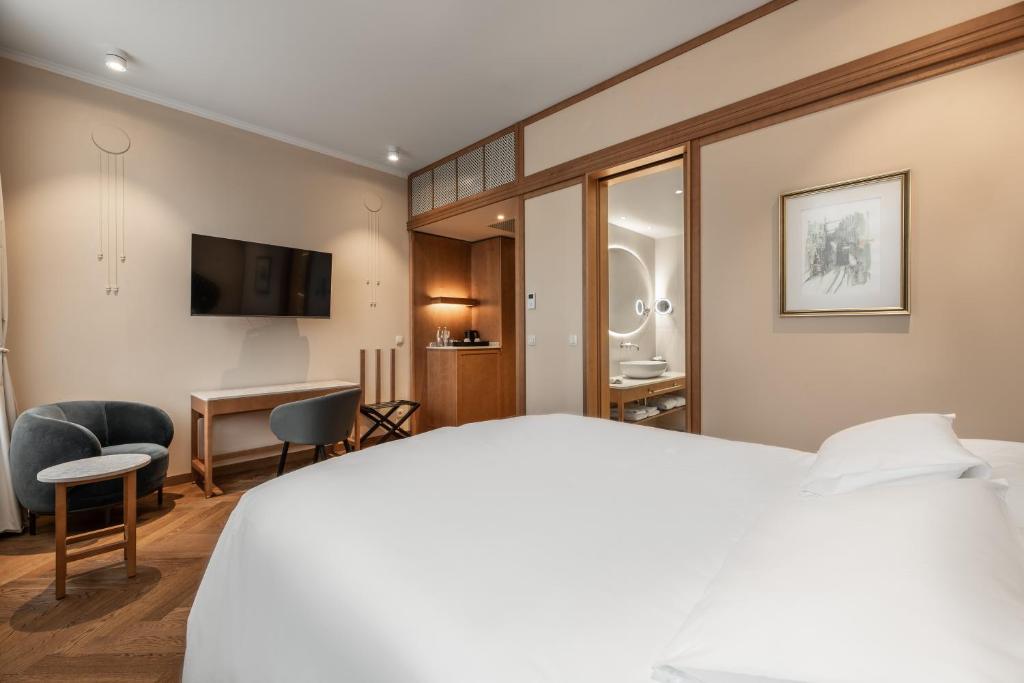
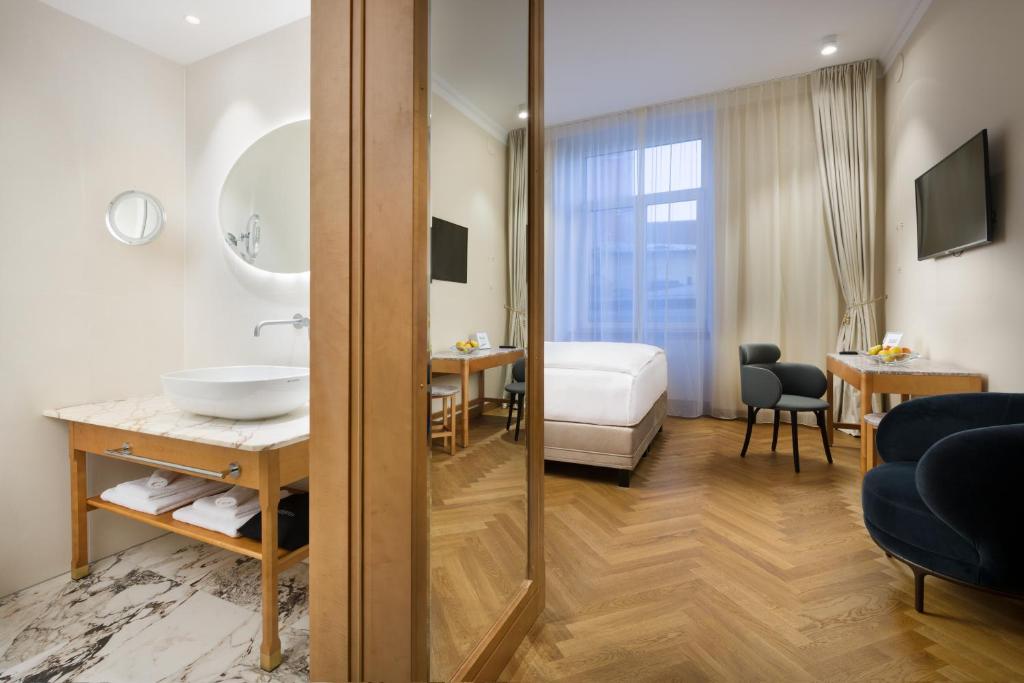
🛏️ 🏨 Preferential reservation rates have been made available for conference attendees at both the venue hotel (GHUE) and its adjacent sibling, the Eurostars uHotel; scroll to reach the Accommodation section for details.
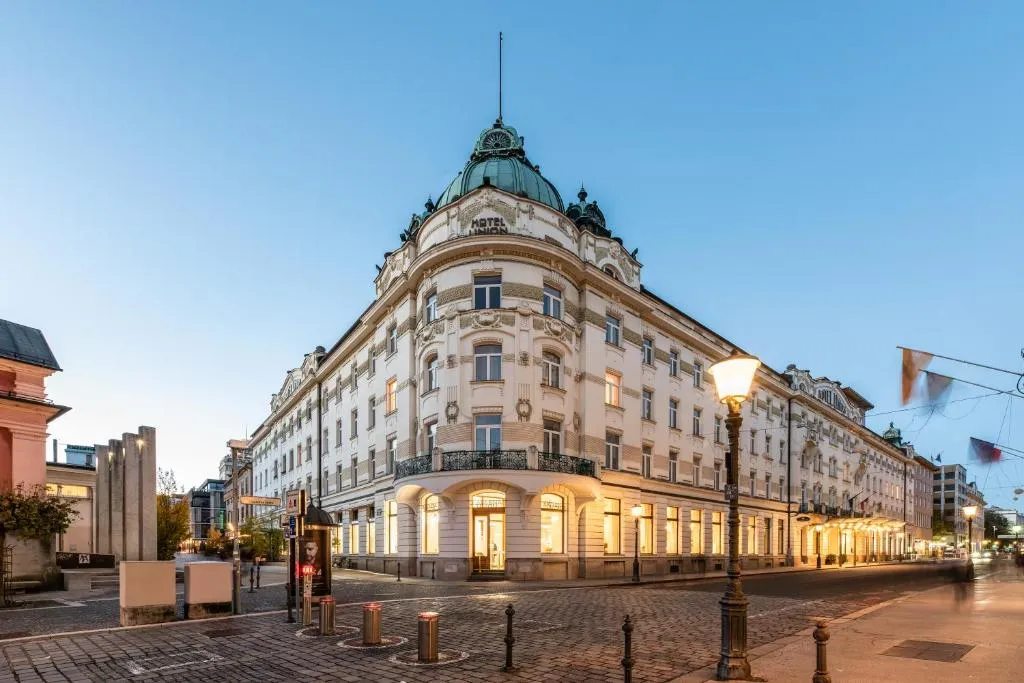
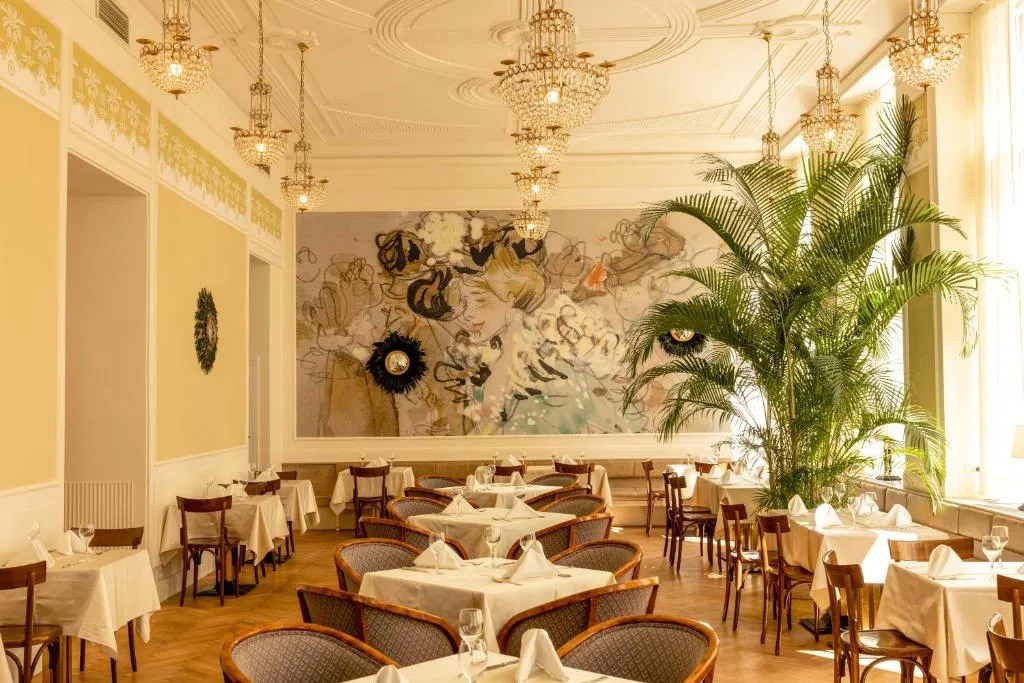
A historic hotel with an Art Nouveau soul
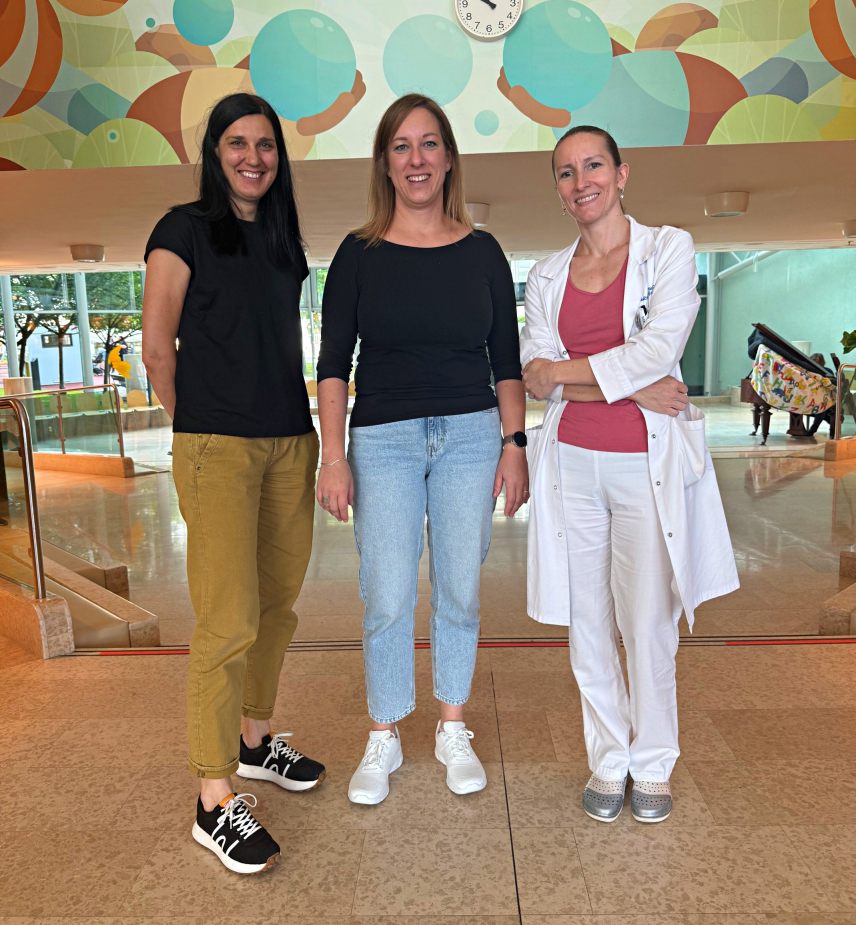
The Grand Hotel Union Eurostars, built in 1905, is an emblematic establishment that forms part of the living history of the city of Ljubljana and the Slovenia. It is an imposing and beautiful building, an example of the Vienna Secession style, part of the Art Nouveau movement, which has hosted various personalities from the world of politics, film, music, and royalty over the years.
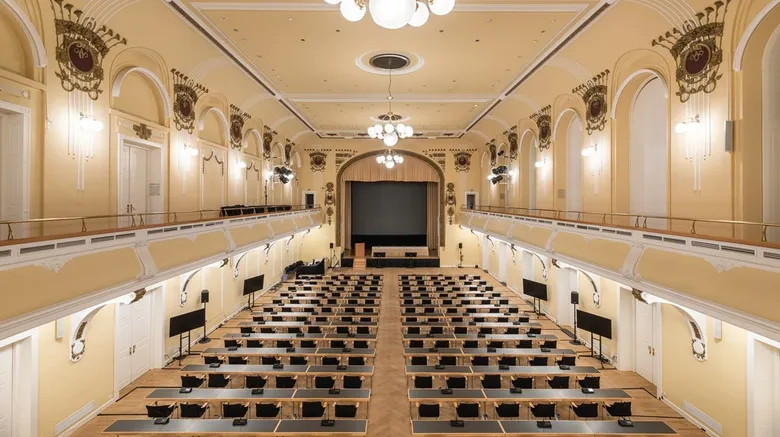
Grand Hotel Union Eurostars boasts Ljubljana’s largest conference centre, with 3,000m² of multifunctional spaces for hosting all kinds of events, from gala dinners to business lunches. Each year, the hotel organises some 800 events in its function rooms, including the Union Hall, a former ballroom that’s a true Art Nouveau masterpiece and can accommodate up to 700 people.
The hotel offers its guests elegant facilities decorated with care and attention to detail, such as its spacious rooms, where guests can rest comfortably and worry-free, or its extensive gastronomic offer thanks to the Kavarna Union café, where you can savour the best Slovenian dishes accompanied by delicious local wines.
GHUE has a complete wellness area with fitness centre, where guests can keep up with their exercise routines during their stay. There is also a spectacular indoor pool with views of Ljubljana Castle. This area is located in the penthouse of the adjacent Eurostars uHotel, which is just next door.



preliminary
⚠️ All hours are displayed in Central European Summer Time!
Programme
(preliminary programme, subject to change)
The preliminary programme below does not feature —for now— the assigned slots for oral presentations and poster rounds; rest assured, we will soon post updates!
In-person format: PDF conference programme
independent event option
Workshops: Behavioural therapy for tic disorders
(Running parallel to ENIGMA-TS, TTAG AM & PM sessions
09:00-12:00
Workshop in English for participants with basic training
"Basic principles and behavioural techniques for treating tic disorders"
View programme
09:00 The cornerstone of treatment: diagnostics, assessment and psychoeducation
09:25 Habit reversal training (HRT)
10:15 Break ☕
10:30 Exposure and response prevention (ERP)
11:15 Function-based interventions
11:45 Questions and closing - challenges in real life
14:00-15:00
Workshop in English for advanced participants:
"OCD and tic-related OCD"
View programme
14:00 Quiz
14:10 Introduction, background & assessment of tics, OCD and tic-related OCD
14:30 Treatment overview including sequencing of treatment
14:55 Systemic approach (school, work)
15:10 Neurobiology & update on medication
15:25 Break ☕
15:45 Case discussions in smaller groups
09:30-10:30
ENIGMA-TS
"Unravelling brain development and genetic background in Tourette Syndrome"
20' talk followed by 40' discussion/ENIGMA-TS working group meeting
Speaker:
Moderated by:
Patient associations and advocacy groups
(Running parallel to BT workshops)
Annual meeting of Tics and Tourette Across the Globe (TTAG)
AM Session: 11:00-13:00
PM Session: 14:00-17:00
independent event option
13:00-14:00
Light lunch break
18:00-19:00 (onwards!)
Opening ceremony
Speaker:
I. Keynote "Tourette Disorder: Tears, Fears and Years"
The role and impact of anxiety and depression in TS, with recent data on suicidality.
Lecture (45') followed by discussion (15')
Moderated by:
II. Professor Mary Robertson Award; winner & oral presentation
Moderated by: Natalia Szejko
Mary Robertson travel grant winners
III. Cocktail time; getting together again!
07:00
Morning run tradition continues; pack your running shoes!
More info by our Chief Track & Field Officer: Nanette Mol Debes
Details

09:00-09:15
Welcome address by TTAG (Tics and Tourette Across the Globe)
09:15-10:30
Symposium session on OCD
I. Neuroplasticity in OCD: lifespan changes and treatment targets
Speaker:
Odile van den Heuvel
II. Advanced treatment strategies for OCD
Speaker:
Philippe Domenech
III. Focus on clinical aspects
Speaker:
Osman Malik
10.15-10:30
Q&A-discussion
Moderated by:
Nanette Mol Dbes
10:30-11:00
Coffee break

12:30-13:30
Lunch break
13:30-14:15
General Assembly
Board elections | 2026-2029 term
(eVoting available for members not attending in person)
15:00-15:30
Coffee break
15:30-16:15
Complementary medicine in tic disorders: a scoping review
Speaker:
Moderated by:
Christelle Nilles
16:15-16:45
Pharmacotherapy for tics: past & future
Speaker:
Kirsten Müller-Vahl
Moderated by:
Christelle Nilles



From 19:30
optional event
Social event-dinner TBA
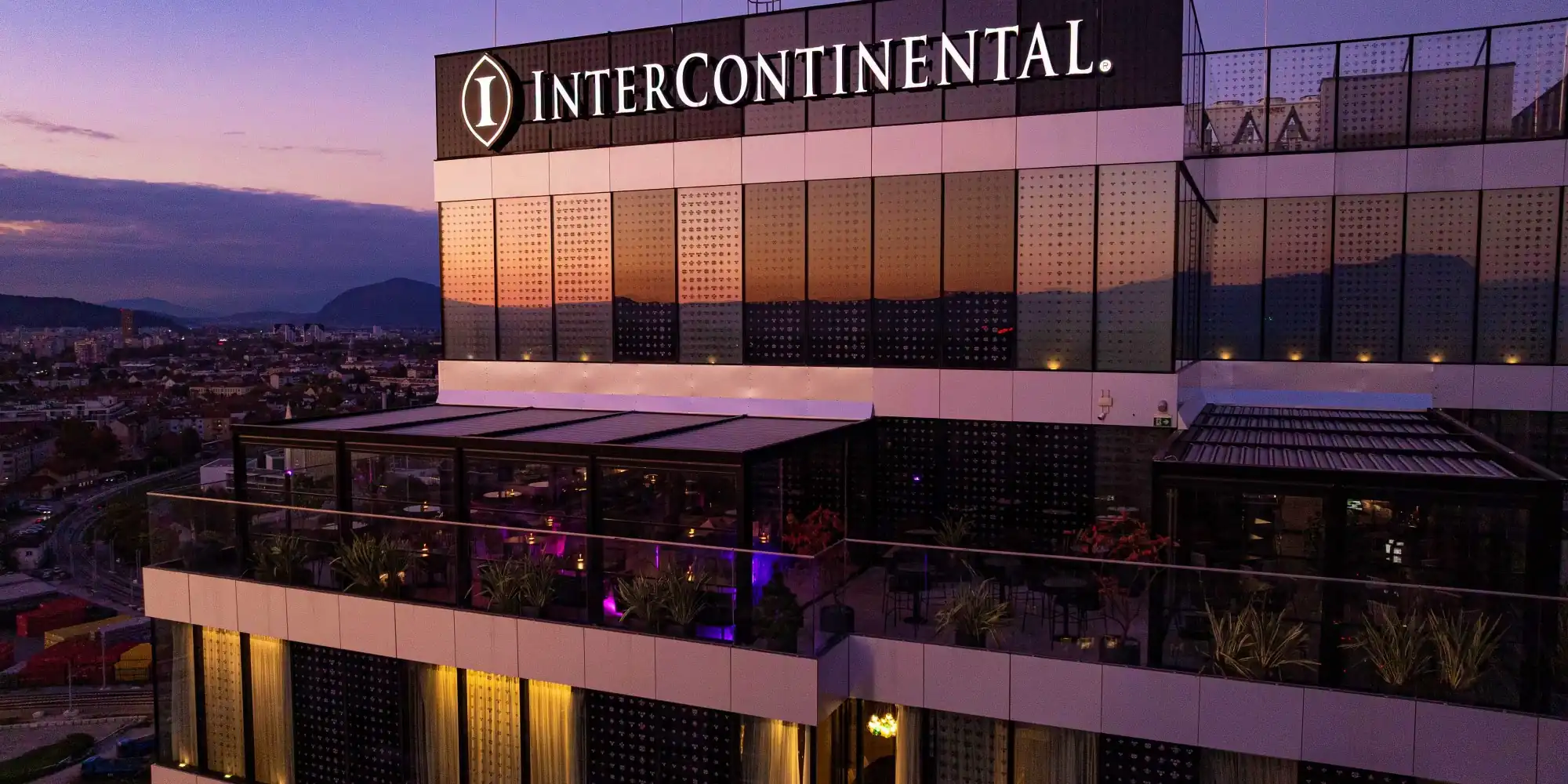
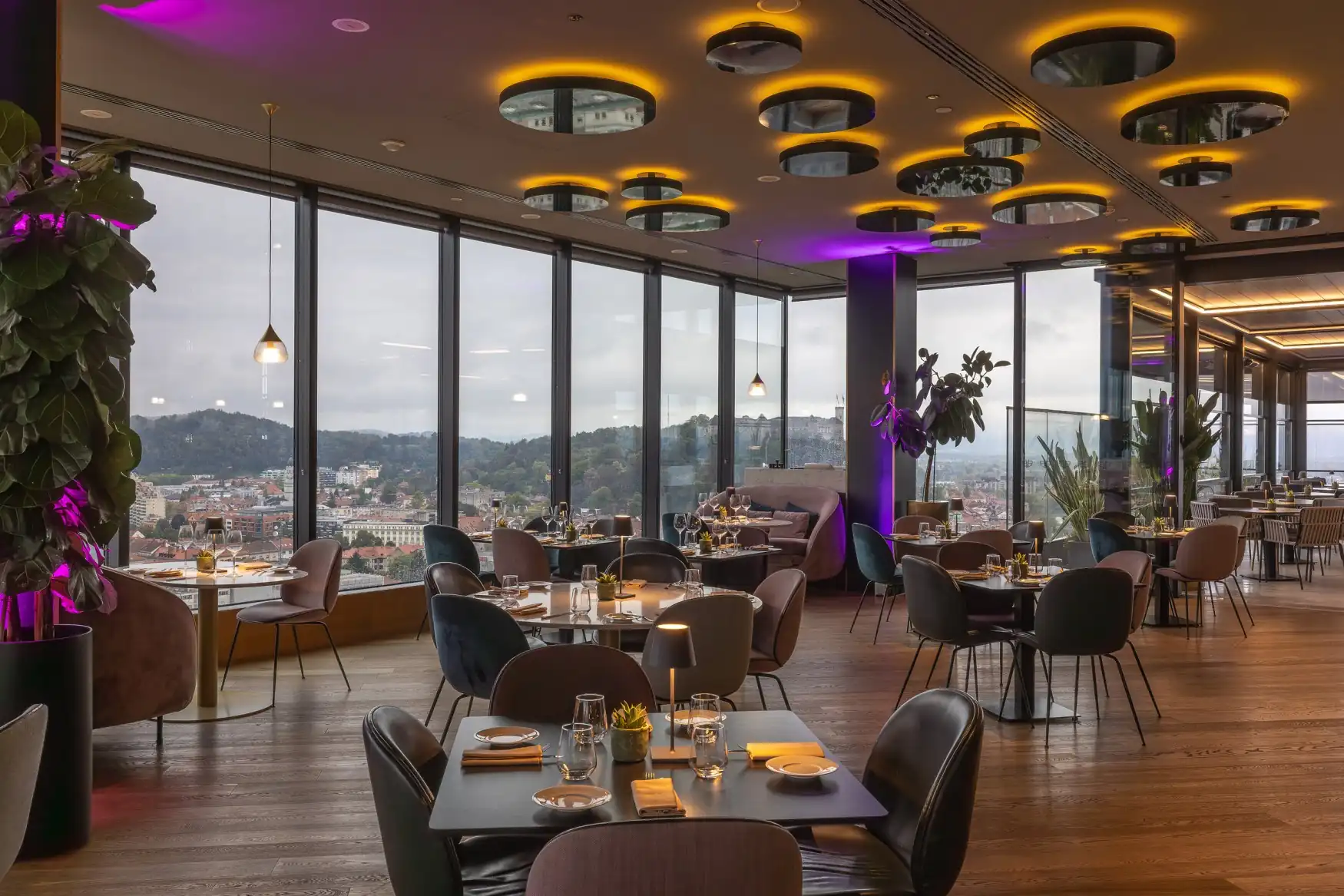
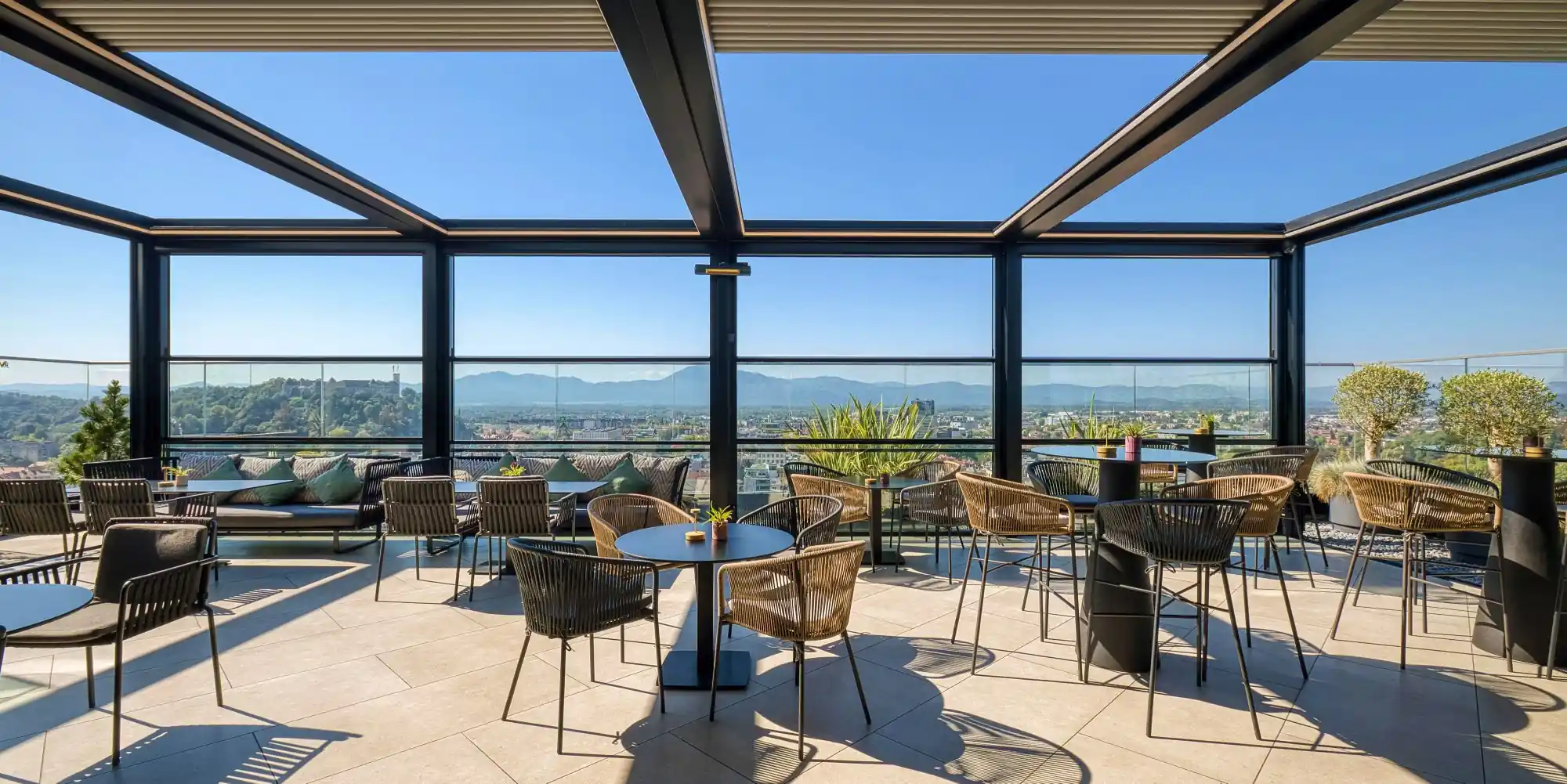
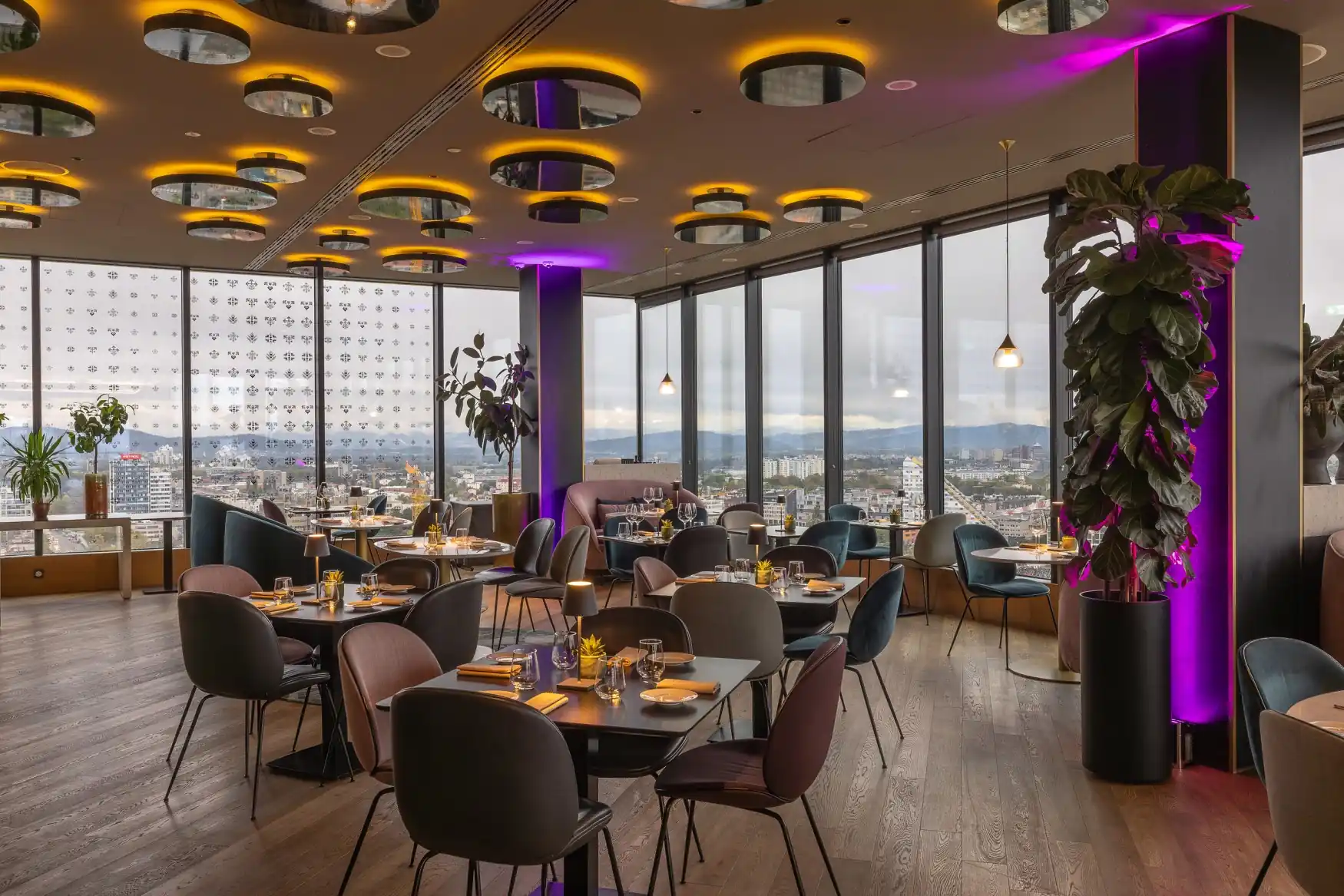
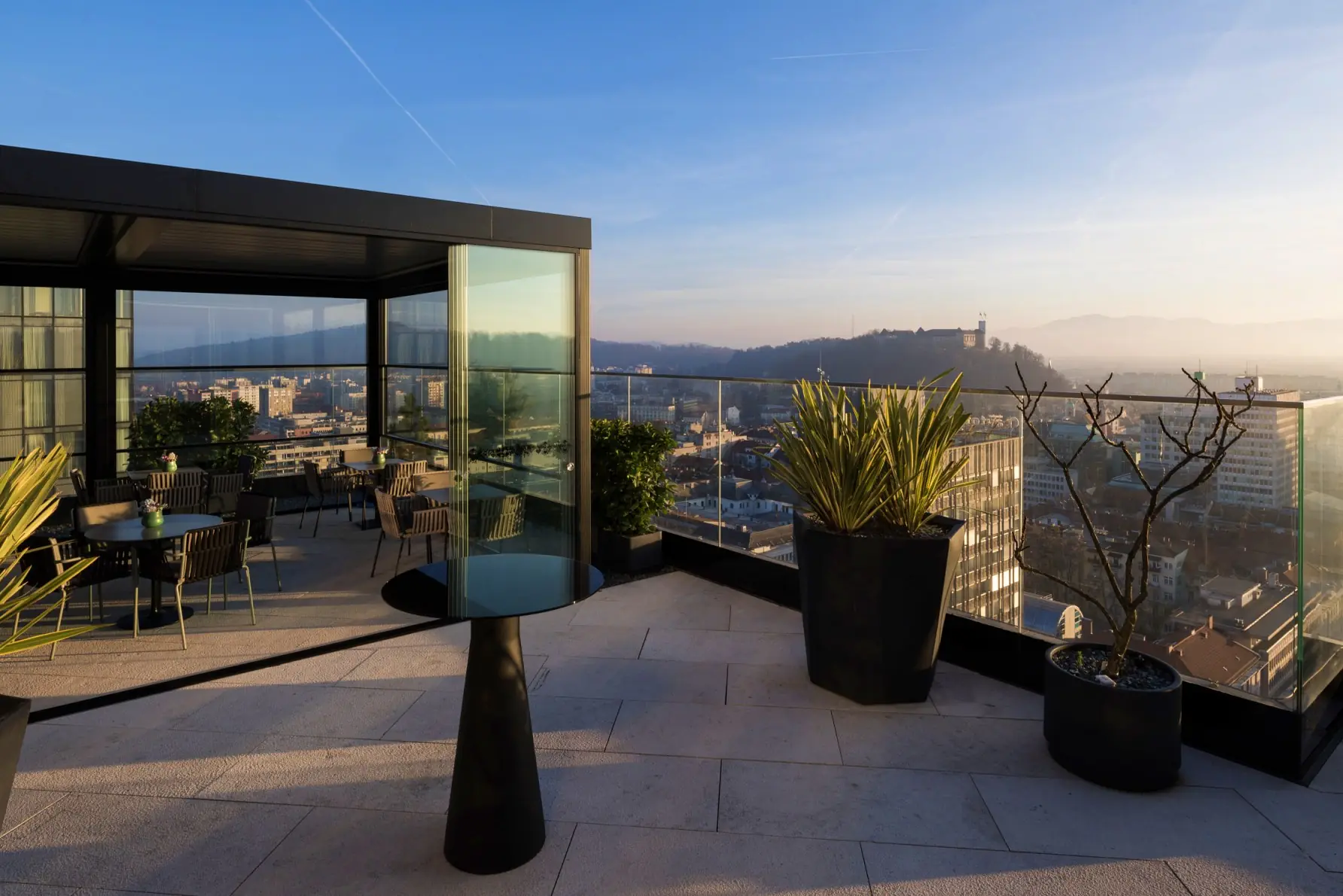
Venue: B-Restaurant 20th floor InterContinental Hotel
💡 As this is an optional event, you can get your tickets at any time, even after you have registered for the conference. The social event is open to non-conference attendees as well.
⚠️ Kindly note that we shall not be able to accommodate last-minute dinner registrations; if you wish to attend our social event, thank you for registering by Sunday, 7 June, at the latest.
09:00-10:45
Pathophysiology session
I. Animal models of Tourette syndrome
Speaker:
Marco Bortolato
II. Biomarker of tic prognosis
Speaker:
Yulia Worbe
III. Pathophysiological insights from the EMTICS study
Speaker:
Andrea Dietrich
10.30-10:45
Q&A-discussion
Moderated by:
Kirsten Müller-Vahl
10:45-11:15
Coffee break
12:30-13:30
Lunch break
13:30-14:30
Controversy session, followed by a live poll
"Is coprolalia a tic or functional?"
Speakers:
Kirsten Müller-Vahl
Arguing "No, it is not a tic"
vs
Elia Abi-Jaoude
Arguing "Yes, it is a tic"
Moderated by: Tammy Hedderly
15:15-15:45
Coffee break
16:45-17:15
Closing ceremony

Best poster & best oral presentation awards
New ESSTS Board announcement
ESSTS Conference 2027 announcement
Please note: Ljubljana 2026 will be an in-person-only conference. The TTAG Meeting remains hybrid.
Wed, 17 June
AM Session: 11:00-13:00
PM Session: 14:00-17:00
independent event option
Patient associations and advocacy groups
Annual meeting of Tics and Tourette Across the Globe (TTAG)
SUBMISSIONS
Basic and clinical scientists, clinicians, PhD students, post-doctoral researchers, residents, fellows and other professionals from around the world working in all areas associated with Tourette Syndrome, tic and related disorders, are invited to submit abstracts to be presented as posters or oral presentations, as well as abstracts with a clinical case video (reserved for the clinical rounds session).
This year, both posters and oral presentations will be made available to the audience in digital format only.
The authors may submit their abstracts by 1 September 2021. They will be notified by 5 September 2021 regarding the format of their presentation, e-poster (+ optional audio file) or oral presentation-, and will have to send their material by 15 September 2021.
💡 2 important dates to bookmark:
Submission deadline: Sunday, 29 March 2026 (midnight 🦉 PDT)
Authors get notified on assigned format by Wednesday, 8 April, 2026 (midnight 🦉 CEST)
⚠️ Registration before submission:
If you plan to submit an abstract you, –or at least one person from your group–, will need to register for the conference before the submission deadline.
In the rare event of unsuccessful submissions, authors may request a full registration refund until 2 weeks after the early bird deadline (Sunday, 5 April 2026).
Apply for a Mary Robertson Travel Grant
CRITERIA & INFO
- Please only apply if you are prepared to travel to Ljubljana on 17-19 June 2026 to present your research. Successful applicants will receive the funds within 72 hours after attending and presenting at the Ljubljana conference. The Grant applicants must register for the conference initially, as described in the abstract submission guidelines.
- You will need to complete the relevant application fields below as a part of your abstract submission process. (You will not be able to apply after your abstract submission has been confirmed.)
- You are the first author on at least one submitted abstract.
- At the time of your application, you, or a member of your team, are an active ESSTS member for the calendar year 2026.
- There is no age limit for applicants, but your current professional status falls within the... "in training" scope.
- Successful Mary Robertson travel grant applicants will be notified by Wednesday, 8 April 2026 (midnight CET)—also the deadline for announcing the assigned presentation format—.
- Previous MR travel grant winners: please allow for an interval of 5 years before applying again.
⚠️ We’re looking for reasons to send you to the conference; LLMs don't need a plane ticket or accommodation!
While we recognise that AI tools are increasingly part of the research –and not only– landscape, we value original narratives that convey authentically your motivations, research interests, and what attending this conference would mean for your professional development.
We encourage you to write your application personally, sharing your thoughts and experiences in your own words. Authentic, human-written text is highly favoured by the committee.


INSTRUCTIONS FOR AUTHORS
Please, select a topic from the list below. The abstract text should not exceed 2,500-3,000 characters.
The final assignment, (poster or oral presentation), will be made by the scientific review committee and all authors will be notified by email by Wednesday, 8 April 2026 (midnight CEST).
All abstracts will be published in the ESSTS Conference proceedings as an Abstract Book, –distributed to all attendees– and upon completion of the meeting, on the ESSTS website in a digital form.
Authors may opt in the submission form below to have their abstract published on F1000 Research.
This year, we have strengthened our abstract review process in line with GDPR compliance and our commitment to scientific impartiality. All submissions are reviewed by an expanded committee using a double-blind format, ensuring that reviewers evaluate abstracts without access to author or affiliation information
Junior investigators who submit innovative work also have the opportunity to be considered for the Professor Mary Robertson Award for Research Contribution in conjunction with Tourettes Action UK.
Abstracts may be submitted in the following fields of study:
- Genetics and aetiology of Tourette syndrome and related disorders
- Neurophysiology and neuroimaging
- Clinical aspects including comorbidities
- Treatment
- Functional tic-like movements
- Other
- Neurophysiology and neuroimaging
- Clinical aspects including comorbidities
- Treatment
- Functional tic-like movements
- Other
To prepare your abstract, follow the instructions on the template below.
Submissions are now closed
Authors will be notified by email on assigned format on Wednesday, 8 April 2026 (midnight CEST)

INSTRUCTIONS FOR AUTHORS
There will be the usual interactive video & clinical round session on the second day of the conference (18 June).
It will offer us the opportunity to discuss collegially several challenging, uncommon and overall didactic clinical cases coming from all over our respective centres around the world. You are invited to contribute a clinical video to this session by submitting an abstract with a case of tic (or hyperkinetic) movement disorder along with a video.
It will offer us the opportunity to discuss collegially several challenging, uncommon and overall didactic clinical cases coming from all over our respective centres around the world. You are invited to contribute a clinical video to this session by submitting an abstract with a case of tic (or hyperkinetic) movement disorder along with a video.
- This year we are seeking a small number of well-described cases, which pose diagnostic or management questions or present challenges with a key learning point. We will allocate 15 minutes for the chosen presentations case, which will be followed by 5 minutes of discussion with the co-chairs/audience.
- Depending on the submissions, there may be a quick fire round of videos with a key learning point presented by the chair and co-chairs on your behalf, so if you have a submission of fewer than 3 slides and a video, please also keep the presentation to under 5 minutes with a learning point.
- Please do not submit cases to the video rounds that do not have a video, but consider a poster submission for this format.
- Please submit your anonymised case(s) by clicking the button below (they will be reviewed by session chair, Dr Tammy Hedderly), in the format of either a short abstract in a Word document (max. 400 words), or ideally as a PowerPoint presentation with a maximum of 5 slides (or 3 slides for the shorter format to include the video).
- Your abstract should summarise the clinical history, physical examination, investigation and management to date and conclude with questions or learning points. To allow for the preparation of a successful session, we may ask you to discuss the video of the patient well in advance.
A question?
Contact Dr HedderlySubmissions are now closed
Authors will be notified by email on Wednesday, 8 April 2026 (midnight CEST).
Submission deadline: Sunday, 29 March 2026 (midnight 🦉 PDT)
Eligibility
All junior researchers, excluding research heads, senior/career level clinicians and previous winners of the award.
The Professor Mary Robertson Award for Research Contribution will be presented on behalf of Tourettes Action UK at the opening ceremony of the conference in Ljubljana, on Wednesday, 17 June 2026. The award will be made in honour of Professor Mary Robertson and includes a prize of £250.
She is the Life President of ESSTS and a Patron of Tourettes Action UK.
She is the Life President of ESSTS and a Patron of Tourettes Action UK.
-Original research of any kind on the Gilles de la Tourette Syndrome, 8,000 words excluding references. Shorter submissions are acceptable, longer entries will be excluded.
-Published or unpublished.
-Work should also be submitted as an abstract for presentation (see procedure by clicking on the "Abstracts" tab above). Please include the relevant abstract(s) with your entry.
-Entries can include work presented at previous ESSTS meetings, but should also cover new ground in an abstract submitted for the 2026 meeting.
-The winner will be invited to make a platform presentation, if not already selected through the abstract acceptance process.
-Must be written by the entrant with a statement indicating the role of other members of the research team, if applicable.
Senior members – please distribute to your juniors.
If you have queries please contact Dr Jeremy Stern, at jstern@tourettes-action.org.uk
Submissions are now closed
Candidates will be contacted by email by Dr Jeremy Stern by Wednesday, 15 April 2026.
REGISTRATION
Registration rates & options
I. Conference registration
In-person attendance
Offers access to all sessions, both BT workshops (beginner & advanced participants) and the TTAG meeting
Virtual attendance: ✅ Registration is now open!
Offers access to most lectures and & TTAG meeting. Excludes BT workshops (17 June) & clinical rounds session (18 June)
The ESSTS member rates apply to all those who will have become ESSTS members for the calendar year 2026.
Along with the ...more attractive registration fees, you greatly contribute to keeping the Society alive and allowing it to grow. 🙏
If you wish to become an ESSTS member, you may add your membership for 2026 directly when you register for the meeting.
Along with the ...more attractive registration fees, you greatly contribute to keeping the Society alive and allowing it to grow. 🙏
If you wish to become an ESSTS member, you may add your membership for 2026 directly when you register for the meeting.
(To view "member" rates, simply click on the respective button)
Senior ESSTS members
EARLY BIRD
until 5 April 2026
(midnight pdT)
(midnight pdT)
€390
€195
(virtual attendance)
Junior* ESSTS members
EARLY BIRD
until 5 April 2026
(midnight pdT)
(midnight pdT)
€225
€110
(virtual attendance)
*(MD/PhD students, postdocs, interns, residents, nurses, patient advocacy groups)
Senior ESSTS members

REGULAR RATES
€495
€245
(virtual attendance)
Junior* ESSTS members
REGULAR RATES
€290
€145
(virtual attendance)
*(MD/PhD students, postdocs, interns, residents, nurses, patient advocacy groups)
Senior participants
EARLY BIRD
until 5 April 2026
(midnight pdT)
(midnight pdT)
€445
€220
(virtual attendance)
Junior* participants
EARLY BIRD
until 5 April 2026
(midnight pdT)
(midnight pdT)
€270
€135
(virtual attendance)
*(MD/PhD students, postdocs, interns, residents, nurses, patient advocacy groups)
Senior participants
REGULAR RATES
€550
€275
(virtual attendance)
Junior* participants
REGULAR RATES
€325
€160
(virtual attendance)
*(MD/PhD students, postdocs, interns, residents, nurses, patient advocacy groups)

EARLY BIRD? Udeležence iz Slovenije prosimo, da se obrnejo na uros@essts.org
II. Behavioural Therapy workshops in English: independent event registration
(Excluded from virtual format)
Offers access only to the selected workshop(s); available option for those participants who will not attend the main conference.
Workshop in English for participants with basic training (3 hours)
Wednesday, 17 June: 09:00-12:00
€70
Workshop in English for participants with advanced training (3 hours)
Wednesday, 17 June: 14:00-17:00
€70
Workshops x 2 pack
Attend both workshops, –basic & advanced– (3 hours each)
€120
III. Patient associations & advocacy groups meeting: independent event registration
Offers access only to the specific event; available option for those participants who will not attend the main conference.
Organised by Tics and Tourette Across the Globe-TTAG
(5 hours)
(5 hours)
Wednesday, 17 June: 11:00-13:00 & 14:00-17:00
€40
€20
(virtual attendance)
IV. Social event (optional)
Social event-dinner
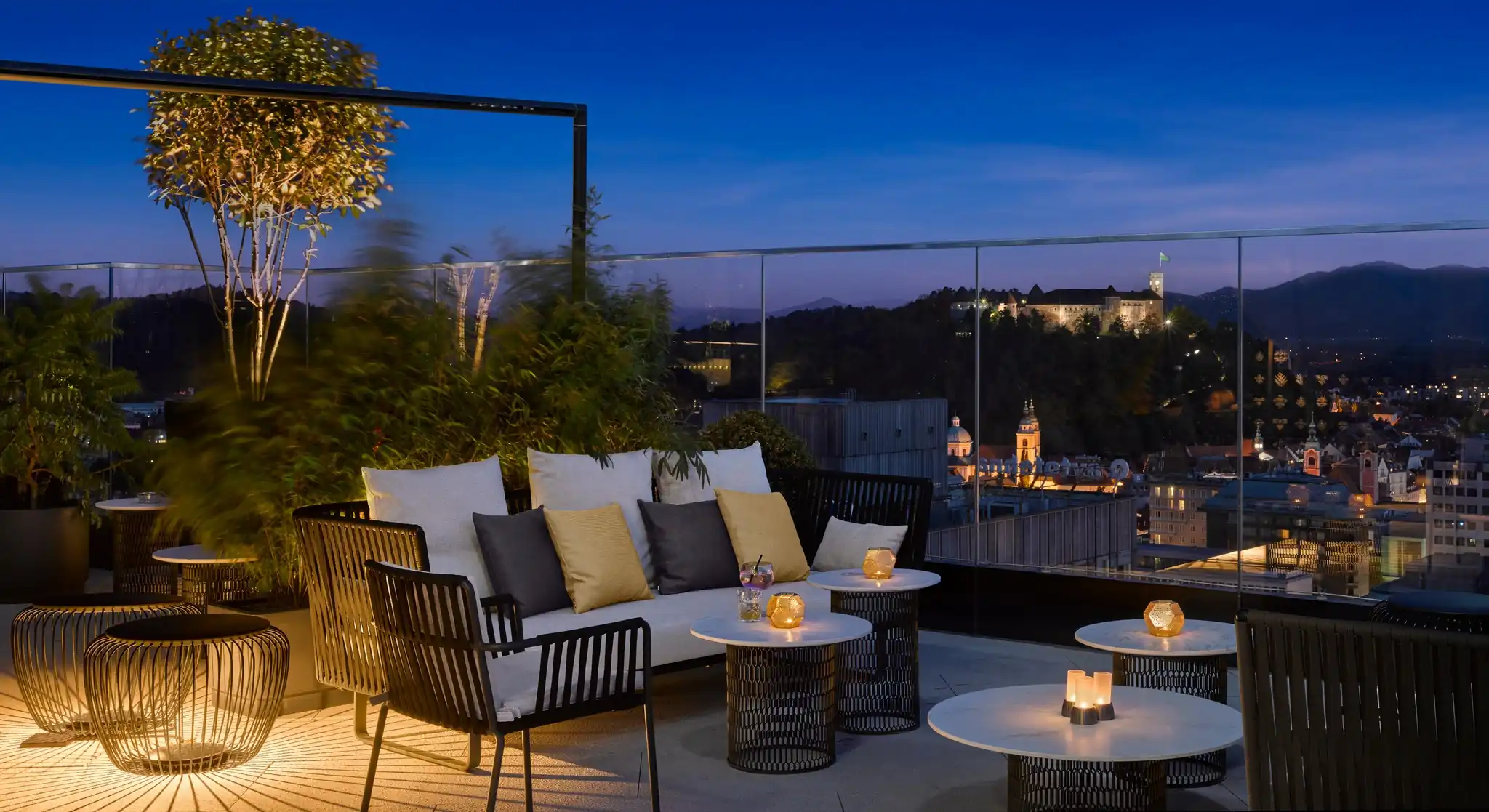
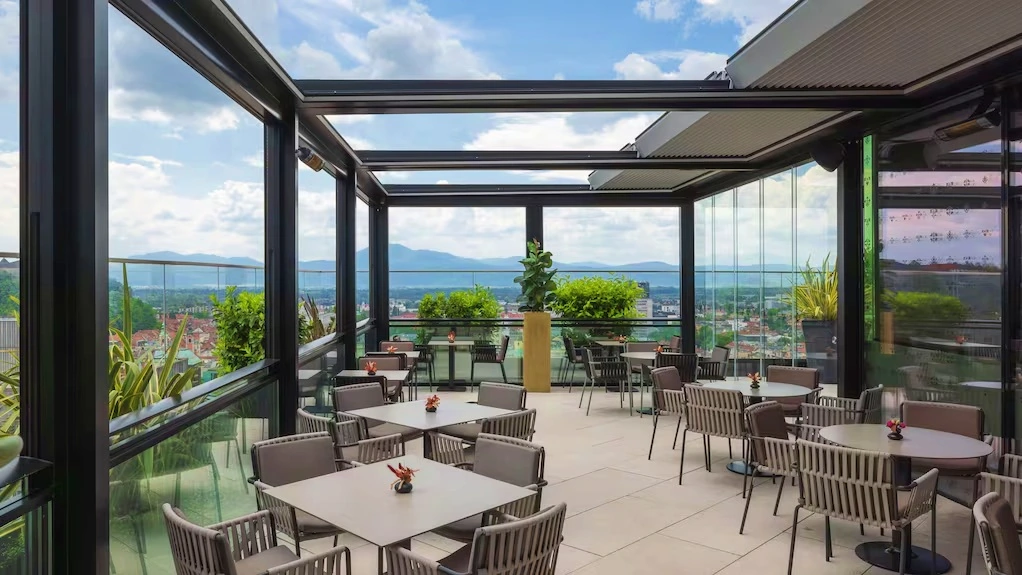
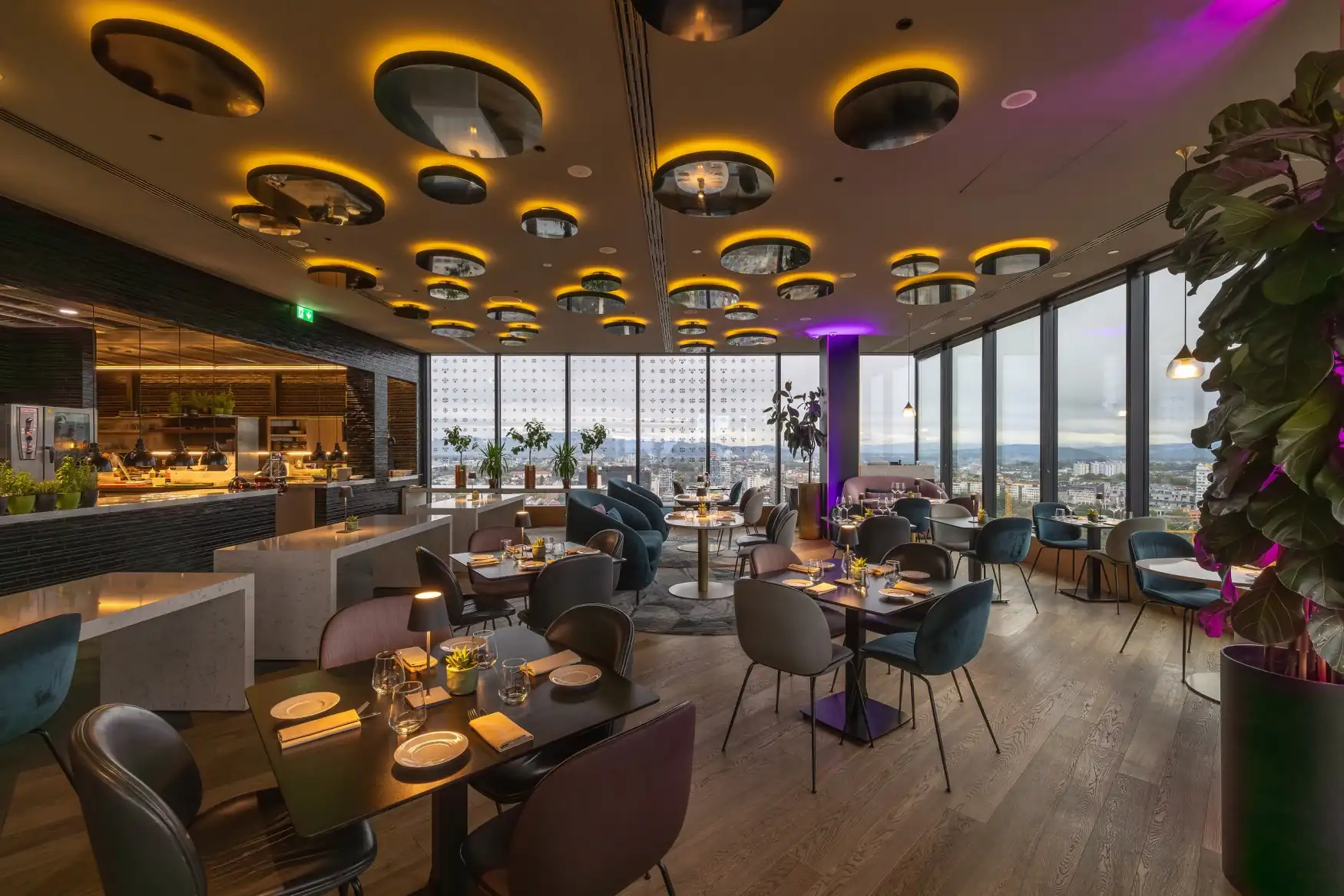
Venue: B-Restaurant 20th floor InterContinental Hotel
Thursday, 18 June 2026, from 19.30 CEST
Senior participants:
€90
Junior* participants:
€65
*(MD/PhD/MSc students, postdocs, interns, residents, nurses, patient advocacy groups)
⚠️ Kindly note that we shall not be able to accommodate last-minute dinner registrations; if you wish to attend our social event, thank you for registering by Sunday, 7 June, at the latest.
As the IC rooftop restaurant is a more intimate setting than our previous outdoor venues, places are limited, so do reserve yours early to make sure you can join us for what promises to be a lovely evening together!
Cultural activity: "Master Plečnik's Ljubljana and the Old Town Guided Tour"
We continue the recent years' museum & cultural tradition reserved for our social event attendees; we will soon post more details!
IV. TS-school; half-day training course on Tourette Syndrome (hybrid format)
Venue: Grand Hotel Union Eurostars | Tuesday, 16 June 2026, 13:00-18:00 CEST
Senior participants:
€100
€50
(virtual attendance)
Junior* participants:
€50
€25
(virtual attendance)
*(MD/PhD/MSc students, postdocs, interns, residents, nurses, patient advocacy group representatives)
Registration guidelines
Step 1: Register and purchase your ticket(s).
Use our online registration forms below to select your event(s), enter your personal details and proceed with payment.
Use our online registration forms below to select your event(s), enter your personal details and proceed with payment.
Step 2: Conference confirmation & invoice
You will receive a confirmation email and a detailed invoice once your registration form(s) and payment have reached us.
Kindly note that if you have opted for payment via bank transfer this may take several days and that payment cannot be confirmed before receipt.
You may contact us separately if you require a custom invoice to submit to your institution for reimbursement purposes.
Virtual attendance: You will receive via email approximately 2 weeks-10 days prior to the respective event(s) a unique link to access the live sessions.
⚠️ Kindly note that this link allows for one single connection per registered attendee.
For last-minute registrations, the access link will be issued to your email in real time.
⚠️ Kindly note that this link allows for one single connection per registered attendee.
For last-minute registrations, the access link will be issued to your email in real time.
Abstract authors: Authors (or at least one person from their group) who submit abstracts will need to register for the conference before the submission deadline, 29 March 2026. In the rare event of an unsuccessful submission, authors may request a full registration refund until 2 weeks after the early bird deadline, –5 April 2026–.
Refund policy: If for reasons unrelated to public health measures you are unable to attend –whether in-person or virtually– and need to apply for a refund, please consult our refund policy page.
Conference cancellation: In the unfortunate event of another conference cancellation due to restrictions imposed by the host country, ESSTS will fully reimburse all registered attendees.
Ready to register?
ESSTS members 2026
If you are already an active member for 2026, you may log in to your ESSTS account to access the registration form reserved for members. Alternatively, you may add your membership for 2026 in your order below, and unlock the respective preferrential rates.
Tickets
Udeležence iz Slovenije prosimo, da se obrnejo na uros@essts.org
Different types of conference tickets available within the form below, including social event.
Register for the conference & social event
Conference events with separate registration option available
If you are NOT attending the main conference, you may choose to register only for the BT workshops, or the TTAG meeting. They are offered as separate events as well, to facilitate the participation of local professionals.
Register for the Cognitive Behavioural Therapy workshops
Register for the TTAG meeting (advocacy & patient associations)
Independent events
Register for the TS-school
Register for the »Tiki in Tourettov sindrom v šoli« for teachers & educators (FREE)

IF you are NOT attending the main conference:
Register for the TTAG meeting (advocacy & patient associations)
Independent event
Register for the TS-school
When in Ljubljana...
Accommodation & orientation
For those who have attended one of our meetings in the recent years; do expect this section to become enriched with suggestions, custom city maps and detailed transport instructions.
Listed as usual, the jetlag-proof way! 😉
Listed as usual, the jetlag-proof way! 😉
To book your transfer from Ljubljana Jože Pučnik Airport, go...NOMAGO:

Our hosts have prepared the following custom map-guide featuring recommended spots to experience Ljubljana's finest!
Click ↓ to open the map legend
To facilitate attendees with planning and arrangements, we are listing below 2 booking links incorporating preferential rates for the venue hotel (Grand Hotel Union Eurostars) and its adjacent sibling, the Eurostars uHotel.
The two buildings are interconnected and the conference halls can be accessed internally.
The two buildings are interconnected and the conference halls can be accessed internally.